
NY Times article on NIL

4,496 Views | 29 Replies | Last: 3 yr ago by calumnus
GoCal80
How long do you want to ignore this user?
The NYT ran an interesting article about the impacts of NIL on college athletics. "Now that college players are allowed to cut sponsorship deals, some of them are raking in the money but at what cost to the rest?" They make the point, also made in this forum, that the NIL money is disproportionately distributed in a pyramid, most of it going to the highest profile athletes in mainly football and men's basketball at the expense of all the other sports. This is because donors are directing money to the super elite athletes that otherwise would have been donated to athletic departments. The article makes the case that if something does not change non-revenue sports could be in trouble.

https://www.nytimes.com/2023/01/24/magazine/ncaa-nba-student-athlete.html

I liked this passage, which to me sums up well how the prominence of athletics at American universities has gotten out of hand: "Ever since Harvard and Yale competed in the first intercollegiate sports competition in 1852, a rowing race on New Hampshire's Lake Winnipesaukee, elite athletics and America's institutions of higher learning have been coupled. The relationship is far from intuitive; in the years since, no other nation has linked the two on nearly as grand a scale. But it has endured, even as sports have grown to occupy an increasingly outsize role on most campuses. Many teams play in grandiose facilities. They charter jets and fly coast to coast like professionals. At some universities, a head coach earns more than the president."
YamhillBear
How long do you want to ignore this user?
So much I despise about NIL as it is currenty implemented. Yet, the fact that NIL money goes way disproportionately to the high-profile players and positions makes me think that Cal (and our NIL collective) could actually benefit from some strategy. We know that our backers will never fund our NIL collective the way that other collectives will. We know that some of Cal's biggest needs are currently on the offensive and defensive lines. So, why not focus a "disproportionate" amount of our limited NIL funds on those positions where you can get a lot more bang for the buck?
Pittstop
How long do you want to ignore this user?
That's how the 49ers built (and continue to build) their team. By drafting and signing FA disproportionately for the OL and DL. They believe they can never have too many DL, And draft a couple of OL every draft. Usually with high to mid-round draft picks. Then bring in more as UFAs.
Sebastabear
How long do you want to ignore this user?
YamhillBear said:

So much I despise about NIL as it is currenty implemented. Yet, the fact that NIL money goes way disproportionately to the high-profile players and positions makes me think that Cal (and our NIL collective) could actually benefit from some strategy. We know that our backers will never fund our NIL collective the way that other collectives will. We know that some of Cal's biggest needs are currently on the offensive and defensive lines. So, why not focus a "disproportionate" amount of our limited NIL funds on those positions where you can get a lot more bang for the buck?
Your assumption that there is no strategy in our NIL spending (or that line players are not prioritized) is incorrect. And in terms of not having Cal backers fund us in "the way that other collectives will" . . . that is also incorrect. Very few collectives have received million dollar checks from a single donor. We have. And we are zeroing in on a few more. Are we Alabama? Tennessee? Texas A&M? No. But we aren't exactly the sisters of the poor either. And frankly A&M is the one who could benefit from some strategy.

We have a plan. We are implementing it.
golden sloth
How long do you want to ignore this user?
GoCal80 said:

The NYT ran an interesting article about the impacts of NIL on college athletics. "Now that college players are allowed to cut sponsorship deals, some of them are raking in the money but at what cost to the rest?" They make the point, also made in this forum, that the NIL money is disproportionately distributed in a pyramid, most of it going to the highest profile athletes in mainly football and men's basketball at the expense of all the other sports. This is because donors are directing money to the super elite athletes that otherwise would have been donated to athletic departments. The article makes the case that if something does not change non-revenue sports could be in trouble.

https://www.nytimes.com/2023/01/24/magazine/ncaa-nba-student-athlete.html

I liked this passage, which to me sums up well how the prominence of athletics at American universities has gotten out of hand: "Ever since Harvard and Yale competed in the first intercollegiate sports competition in 1852, a rowing race on New Hampshire's Lake Winnipesaukee, elite athletics and America's institutions of higher learning have been coupled. The relationship is far from intuitive; in the years since, no other nation has linked the two on nearly as grand a scale. But it has endured, even as sports have grown to occupy an increasingly outsize role on most campuses. Many teams play in grandiose facilities. They charter jets and fly coast to coast like professionals. At some universities, a head coach earns more than the president."


I dispute the notion that some players receive NIL money at the expense of others. How does one person getting an endorsement deal hurt another person?
Bobodeluxe
How long do you want to ignore this user?
golden sloth said:

GoCal80 said:

The NYT ran an interesting article about the impacts of NIL on college athletics. "Now that college players are allowed to cut sponsorship deals, some of them are raking in the money but at what cost to the rest?" They make the point, also made in this forum, that the NIL money is disproportionately distributed in a pyramid, most of it going to the highest profile athletes in mainly football and men's basketball at the expense of all the other sports. This is because donors are directing money to the super elite athletes that otherwise would have been donated to athletic departments. The article makes the case that if something does not change non-revenue sports could be in trouble.

https://www.nytimes.com/2023/01/24/magazine/ncaa-nba-student-athlete.html

I liked this passage, which to me sums up well how the prominence of athletics at American universities has gotten out of hand: "Ever since Harvard and Yale competed in the first intercollegiate sports competition in 1852, a rowing race on New Hampshire's Lake Winnipesaukee, elite athletics and America's institutions of higher learning have been coupled. The relationship is far from intuitive; in the years since, no other nation has linked the two on nearly as grand a scale. But it has endured, even as sports have grown to occupy an increasingly outsize role on most campuses. Many teams play in grandiose facilities. They charter jets and fly coast to coast like professionals. At some universities, a head coach earns more than the president."


I dispute the notion that some players receive NIL money at the expense of others. How does one person getting an endorsement deal hurt another person?
Jealousy does not exist among modern pampered student/athletes?
Cal8285
How long do you want to ignore this user?
golden sloth said:

GoCal80 said:

The NYT ran an interesting article about the impacts of NIL on college athletics. "Now that college players are allowed to cut sponsorship deals, some of them are raking in the money but at what cost to the rest?" They make the point, also made in this forum, that the NIL money is disproportionately distributed in a pyramid, most of it going to the highest profile athletes in mainly football and men's basketball at the expense of all the other sports. This is because donors are directing money to the super elite athletes that otherwise would have been donated to athletic departments. The article makes the case that if something does not change non-revenue sports could be in trouble.

https://www.nytimes.com/2023/01/24/magazine/ncaa-nba-student-athlete.html

I liked this passage, which to me sums up well how the prominence of athletics at American universities has gotten out of hand: "Ever since Harvard and Yale competed in the first intercollegiate sports competition in 1852, a rowing race on New Hampshire's Lake Winnipesaukee, elite athletics and America's institutions of higher learning have been coupled. The relationship is far from intuitive; in the years since, no other nation has linked the two on nearly as grand a scale. But it has endured, even as sports have grown to occupy an increasingly outsize role on most campuses. Many teams play in grandiose facilities. They charter jets and fly coast to coast like professionals. At some universities, a head coach earns more than the president."


I dispute the notion that some players receive NIL money at the expense of others. How does one person getting an endorsement deal hurt another person?
The OP spells out that answer. "This is because donors are directing money to the super elite athletes that otherwise would have been donated to athletic departments. The article makes the case that if something does not change non-revenue sports could be in trouble."

Money going to athletic departments gets spread out among all, including non-revenue athletes. Money going to super elite athletes doesn't trickle down to anybody, thus hurting those who would otherwise have the benefits of that money.

Just take a look at some of the recent discussions around here. There are many pointing out what is almost certainly correct -- it is better for donors to give big money to NIL than it is to give big money to a practice facility.

Whether or not you think the practice facility is a good idea, and whether you think it good that the AD wants it to benefit more sports than just basketball, the reality is that the practice facility would a) benefit all basketball players, including walk-ons and bottom-of-the-rung scholarship players, not just the guys getting good NIL money, and b) benefit non-revenue athletes.

You certainly can argue that the system is more fair, the super-elite athletes, the greatest revenue producing athletes, get most of the money, the lesser athletes in revenue sports will get fewer perks, and those in non-revenue sports may not only get fewer perks, but may have their opportunities cut out altogether when their sports are no longer part of the athletic department.

In an fantasy world where donations to the athletic department are unaffected by NIL money, sure, maybe nobody gets hurt by NIL money. But that is a fantasy world.
DiabloWags
How long do you want to ignore this user?
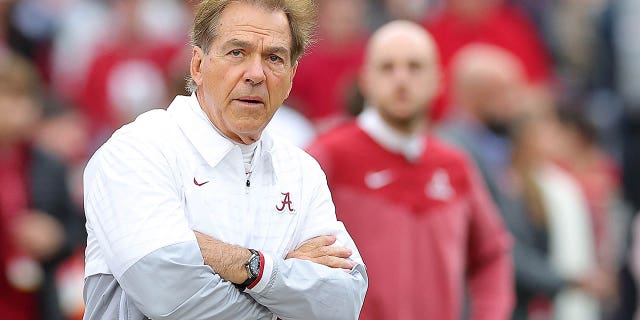
Saban feels the NCAA "needs more ways and means to control it because it's getting out of hand."

Saban later added that he lost 10 players, including a starter, to the portal already.

"One of them wanted $500,000 and for us to get his girlfriend into law school at Alabama and pay for it.
I showed him the door," Saban reportedly said.

Nick Saban on NIL via OutKick

Alabama's Nick Saban rejected 2 players who were searching for $1.3 million combined in NIL money: report | Fox News


"Cults don't end well. They really don't."
59bear
How long do you want to ignore this user?
GoCal80 said:

The NYT ran an interesting article about the impacts of NIL on college athletics. "Now that college players are allowed to cut sponsorship deals, some of them are raking in the money but at what cost to the rest?" They make the point, also made in this forum, that the NIL money is disproportionately distributed in a pyramid, most of it going to the highest profile athletes in mainly football and men's basketball at the expense of all the other sports. This is because donors are directing money to the super elite athletes that otherwise would have been donated to athletic departments. The article makes the case that if something does not change non-revenue sports could be in trouble.

https://www.nytimes.com/2023/01/24/magazine/ncaa-nba-student-athlete.html

I liked this passage, which to me sums up well how the prominence of athletics at American universities has gotten out of hand: "Ever since Harvard and Yale competed in the first intercollegiate sports competition in 1852, a rowing race on New Hampshire's Lake Winnipesaukee, elite athletics and America's institutions of higher learning have been coupled. The relationship is far from intuitive; in the years since, no other nation has linked the two on nearly as grand a scale. But it has endured, even as sports have grown to occupy an increasingly outsize role on most campuses. Many teams play in grandiose facilities. They charter jets and fly coast to coast like professionals. At some universities, a head coach earns more than the president."


Are there any BCS level HCs who make less than the president? At most major football powers the HC makes more than a large swath of the school's execs combined.
socaltownie
How long do you want to ignore this user?
Behind a paywall and while I probably should subscribe to the NYT I don't.

The interesting thing right now is that there really feel like there are TWO NIL markets (or maybe more but I am a simple guy)

1) NIL that essentially are boosters supporting recruiting. This is the NILs that substitute for the ca$h in a coffee cup or a booster paying for the Bush's apartment. There is very little way that it makes sense from a marketing standpoint. Like the NBA or the NFL or MLB it is unsurprising that this $ is going to the most impactful athletes. Like free agency is it is a VERY inefficient market. And it isn't at ALL transparent.

2) NIL that are good marketing decisions (and athletes that very much "get it" and how to market their NIL. The poster child (pun intended?) for this is Olivia Dunne who is reportedly getting 7 figures from her NIL deals by selling that great american product known as sex appeal. Apparel manufacturers and others are making a smart (if prurient) marketing decision as her social media savy and ability to promote products is really quite compelling for a college junior. I wonder if the NYT focused much ink on Dunne.

Take care of your Chicken
socaltownie
How long do you want to ignore this user?
golden sloth said:

GoCal80 said:

The NYT ran an interesting article about the impacts of NIL on college athletics. "Now that college players are allowed to cut sponsorship deals, some of them are raking in the money but at what cost to the rest?" They make the point, also made in this forum, that the NIL money is disproportionately distributed in a pyramid, most of it going to the highest profile athletes in mainly football and men's basketball at the expense of all the other sports. This is because donors are directing money to the super elite athletes that otherwise would have been donated to athletic departments. The article makes the case that if something does not change non-revenue sports could be in trouble.

https://www.nytimes.com/2023/01/24/magazine/ncaa-nba-student-athlete.html

I liked this passage, which to me sums up well how the prominence of athletics at American universities has gotten out of hand: "Ever since Harvard and Yale competed in the first intercollegiate sports competition in 1852, a rowing race on New Hampshire's Lake Winnipesaukee, elite athletics and America's institutions of higher learning have been coupled. The relationship is far from intuitive; in the years since, no other nation has linked the two on nearly as grand a scale. But it has endured, even as sports have grown to occupy an increasingly outsize role on most campuses. Many teams play in grandiose facilities. They charter jets and fly coast to coast like professionals. At some universities, a head coach earns more than the president."


I dispute the notion that some players receive NIL money at the expense of others. How does one person getting an endorsement deal hurt another person?
See my post above.

To the extent to which those deals are in category #2 (lets call it the Dunne category) you are absolutely correct.

But most FB players, I believe, are in category #1. Lets call this the "Built Brands" category. Cause in what world are you going to the supermarket and buying a protein bar because it was endorsed by a BYU walkon? Even if you are a member of the LDS are you doing that? Probably not because it requires that to elevate past the noise. That is very much a zero sum game.
Take care of your Chicken
bledblue
How long do you want to ignore this user?
GoCal80 said:

The NYT ran an interesting article about the impacts of NIL on college athletics. "Now that college players are allowed to cut sponsorship deals, some of them are raking in the money but at what cost to the rest?" They make the point, also made in this forum, that the NIL money is disproportionately distributed in a pyramid, most of it going to the highest profile athletes in mainly football and men's basketball at the expense of all the other sports. This is because donors are directing money to the super elite athletes that otherwise would have been donated to athletic departments. The article makes the case that if something does not change non-revenue sports could be in trouble.

https://www.nytimes.com/2023/01/24/magazine/ncaa-nba-student-athlete.html

I liked this passage, which to me sums up well how the prominence of athletics at American universities has gotten out of hand: "Ever since Harvard and Yale competed in the first intercollegiate sports competition in 1852, a rowing race on New Hampshire's Lake Winnipesaukee, elite athletics and America's institutions of higher learning have been coupled. The relationship is far from intuitive; in the years since, no other nation has linked the two on nearly as grand a scale. But it has endured, even as sports have grown to occupy an increasingly outsize role on most campuses. Many teams play in grandiose facilities. They charter jets and fly coast to coast like professionals. At some universities, a head coach earns more than the president."


At Cal, haven't the non-revenue sports benefitted from football and Basketball? What other University has 30+ sports( Stanfurd, Penn St) who else? Isn't that in itself crazy? If we had 16-20 sports, don't you think funding would be easier? Instead of having everyone fighting( begging) for whatever is needed! Knowlton is moving donations around like a pyramid scheme to keep things afloat! Isn't it time we reevaluate non-revenue sports?
calumnus
How long do you want to ignore this user?
bledblue said:

GoCal80 said:

The NYT ran an interesting article about the impacts of NIL on college athletics. "Now that college players are allowed to cut sponsorship deals, some of them are raking in the money but at what cost to the rest?" They make the point, also made in this forum, that the NIL money is disproportionately distributed in a pyramid, most of it going to the highest profile athletes in mainly football and men's basketball at the expense of all the other sports. This is because donors are directing money to the super elite athletes that otherwise would have been donated to athletic departments. The article makes the case that if something does not change non-revenue sports could be in trouble.

https://www.nytimes.com/2023/01/24/magazine/ncaa-nba-student-athlete.html

I liked this passage, which to me sums up well how the prominence of athletics at American universities has gotten out of hand: "Ever since Harvard and Yale competed in the first intercollegiate sports competition in 1852, a rowing race on New Hampshire's Lake Winnipesaukee, elite athletics and America's institutions of higher learning have been coupled. The relationship is far from intuitive; in the years since, no other nation has linked the two on nearly as grand a scale. But it has endured, even as sports have grown to occupy an increasingly outsize role on most campuses. Many teams play in grandiose facilities. They charter jets and fly coast to coast like professionals. At some universities, a head coach earns more than the president."


At Cal, haven't the non-revenue sports benefitted from football and Basketball? What other University has 30+ sports( Stanfurd, Penn St) who else? Isn't that in itself crazy? If we had 16-20 sports, don't you think funding would be easier? Instead of having everyone fighting( begging) for whatever is needed! Knowlton is moving donations around like a pyramid scheme to keep things afloat! Isn't it time we reevaluate non-revenue sports?


The entire structure needs to be reevaluated with a strategic vision for the NIL era and the Superconference era, with the loss of UCLA and USC, but also the opportunity to market Cal as the East Bay's team in football and basketball and the state of California's team in the PAC-10.

Knowlton is probably the worst possible person to do this. He either needs to be removed (for his actions/inactions in the McKeever abuse case at least) or he needs to become the obsequious rubber stamp for a powerful booster organization that he and Christ hand over responsibility for the big decisions for Cal athletics. He would actually be well suited and happy, though extremely overpaid, for that role. The booster organization would pay the majority of the revenue sports coaches salaries (talent fees) plus NIL to the players.

For the non-revenue teams the first major cost reduction is to have the default for a scholarship be for California resident tuition. If donors want to fund a full non-resident scholarship, they can, but if it is for a men's sport they need to make an equal donation on the women's side. If an out of state resident gets a scholarship for a non-revenue sport and has no donor support they have to pay the difference. If the result is that nearly all non-resident sports teams are entirely made up of California residents, then great. That is who the university is for. If the result is our field hockey team is not as competitive, too bad.

Going further, we can have fewer and fewer scholarships for non-revenue sports. Admission preference alone will attract good athletes from around the state. Many of the athletes of country club sports are from wealthy families anyway, and value the admission preference. Athletes who are from less advantaged families can receive financial aid like other students (the Ivy model). Again, if donors want to fund levels higher than that, they can. Or they can make NIL payments.

For baseball, I would look for a sponsorship from the Giants (or the A's if they are still around). Giants tickets are $28 or more, how do you take your family? Imagine Spring baseball in Oracle Park, $1 admission, all the concessions open. Cal could play before or after they put the Spring training game from Scottsdale on the Jumbotron.
4thGenCal
How long do you want to ignore this user?
bledblue said:

GoCal80 said:

The NYT ran an interesting article about the impacts of NIL on college athletics. "Now that college players are allowed to cut sponsorship deals, some of them are raking in the money but at what cost to the rest?" They make the point, also made in this forum, that the NIL money is disproportionately distributed in a pyramid, most of it going to the highest profile athletes in mainly football and men's basketball at the expense of all the other sports. This is because donors are directing money to the super elite athletes that otherwise would have been donated to athletic departments. The article makes the case that if something does not change non-revenue sports could be in trouble.

https://www.nytimes.com/2023/01/24/magazine/ncaa-nba-student-athlete.html

I liked this passage, which to me sums up well how the prominence of athletics at American universities has gotten out of hand: "Ever since Harvard and Yale competed in the first intercollegiate sports competition in 1852, a rowing race on New Hampshire's Lake Winnipesaukee, elite athletics and America's institutions of higher learning have been coupled. The relationship is far from intuitive; in the years since, no other nation has linked the two on nearly as grand a scale. But it has endured, even as sports have grown to occupy an increasingly outsize role on most campuses. Many teams play in grandiose facilities. They charter jets and fly coast to coast like professionals. At some universities, a head coach earns more than the president."


At Cal, haven't the non-revenue sports benefitted from football and Basketball? What other University has 30+ sports( Stanfurd, Penn St) who else? Isn't that in itself crazy? If we had 16-20 sports, don't you think funding would be easier? Instead of having everyone fighting( begging) for whatever is needed! Knowlton is moving donations around like a pyramid scheme to keep things afloat! Isn't it time we reevaluate non-revenue sports?
It is time and the idea has been presented to Knowlton several times from prominent donor's. However Knowlton and the Chancellor prefer the 30+ sport model. Chancellor because she wants more student athletes to experience playing their sport at Cal and thus "give the student athletes experiences that not all universities offer". JK does not want to expend energy on a political hot plate - He believes that would push some prominent donors out ,who are pro water polo, swimming, tennis, gymnastics, baseball, soccer, lacrosse, track and field etc Factor in Title 9 and its slippery maneuvering. Personally I am in favor of reducing the sports # to 20-23+- and this is coming from a tennis player from Cal. Oregon, Ucla, Utah, and all other conf schools (except Stanford) have done this and doubled down on the 2 revenue sports. I don't see it happening in the foreseeable future.
Oski87
How long do you want to ignore this user?
4thGenCal said:

bledblue said:

GoCal80 said:

The NYT ran an interesting article about the impacts of NIL on college athletics. "Now that college players are allowed to cut sponsorship deals, some of them are raking in the money but at what cost to the rest?" They make the point, also made in this forum, that the NIL money is disproportionately distributed in a pyramid, most of it going to the highest profile athletes in mainly football and men's basketball at the expense of all the other sports. This is because donors are directing money to the super elite athletes that otherwise would have been donated to athletic departments. The article makes the case that if something does not change non-revenue sports could be in trouble.

https://www.nytimes.com/2023/01/24/magazine/ncaa-nba-student-athlete.html

I liked this passage, which to me sums up well how the prominence of athletics at American universities has gotten out of hand: "Ever since Harvard and Yale competed in the first intercollegiate sports competition in 1852, a rowing race on New Hampshire's Lake Winnipesaukee, elite athletics and America's institutions of higher learning have been coupled. The relationship is far from intuitive; in the years since, no other nation has linked the two on nearly as grand a scale. But it has endured, even as sports have grown to occupy an increasingly outsize role on most campuses. Many teams play in grandiose facilities. They charter jets and fly coast to coast like professionals. At some universities, a head coach earns more than the president."


At Cal, haven't the non-revenue sports benefitted from football and Basketball? What other University has 30+ sports( Stanfurd, Penn St) who else? Isn't that in itself crazy? If we had 16-20 sports, don't you think funding would be easier? Instead of having everyone fighting( begging) for whatever is needed! Knowlton is moving donations around like a pyramid scheme to keep things afloat! Isn't it time we reevaluate non-revenue sports?
It is time and the idea has been presented to Knowlton several times from prominent donor's. However Knowlton and the Chancellor prefer the 30+ sport model. Chancellor because she wants more student athletes to experience playing their sport at Cal and thus "give the student athletes experiences that not all universities offer". JK does not want to expend energy on a political hot plate - He believes that would push some prominent donors out ,who are pro water polo, swimming, tennis, gymnastics, baseball, soccer, lacrosse, track and field etc Factor in Title 9 and its slippery maneuvering. Personally I am in favor of reducing the sports # to 20-23+- and this is coming from a tennis player from Cal. Oregon, Ucla, Utah, and all other conf schools (except Stanford) have done this and doubled down on the 2 revenue sports. I don't see it happening in the foreseeable future.
All of this supposes that the Chancellor would continue to give 20 million in Campus subsidies to a two sport athletic department. The campus more than subsidized the Olympic sports - all of them combined. The fact that we can't get the football and basketball team to fund themselves is the crime.
calumnus
How long do you want to ignore this user?
Oski87 said:

4thGenCal said:

bledblue said:

GoCal80 said:

The NYT ran an interesting article about the impacts of NIL on college athletics. "Now that college players are allowed to cut sponsorship deals, some of them are raking in the money but at what cost to the rest?" They make the point, also made in this forum, that the NIL money is disproportionately distributed in a pyramid, most of it going to the highest profile athletes in mainly football and men's basketball at the expense of all the other sports. This is because donors are directing money to the super elite athletes that otherwise would have been donated to athletic departments. The article makes the case that if something does not change non-revenue sports could be in trouble.

https://www.nytimes.com/2023/01/24/magazine/ncaa-nba-student-athlete.html

I liked this passage, which to me sums up well how the prominence of athletics at American universities has gotten out of hand: "Ever since Harvard and Yale competed in the first intercollegiate sports competition in 1852, a rowing race on New Hampshire's Lake Winnipesaukee, elite athletics and America's institutions of higher learning have been coupled. The relationship is far from intuitive; in the years since, no other nation has linked the two on nearly as grand a scale. But it has endured, even as sports have grown to occupy an increasingly outsize role on most campuses. Many teams play in grandiose facilities. They charter jets and fly coast to coast like professionals. At some universities, a head coach earns more than the president."


At Cal, haven't the non-revenue sports benefitted from football and Basketball? What other University has 30+ sports( Stanfurd, Penn St) who else? Isn't that in itself crazy? If we had 16-20 sports, don't you think funding would be easier? Instead of having everyone fighting( begging) for whatever is needed! Knowlton is moving donations around like a pyramid scheme to keep things afloat! Isn't it time we reevaluate non-revenue sports?
It is time and the idea has been presented to Knowlton several times from prominent donor's. However Knowlton and the Chancellor prefer the 30+ sport model. Chancellor because she wants more student athletes to experience playing their sport at Cal and thus "give the student athletes experiences that not all universities offer". JK does not want to expend energy on a political hot plate - He believes that would push some prominent donors out ,who are pro water polo, swimming, tennis, gymnastics, baseball, soccer, lacrosse, track and field etc Factor in Title 9 and its slippery maneuvering. Personally I am in favor of reducing the sports # to 20-23+- and this is coming from a tennis player from Cal. Oregon, Ucla, Utah, and all other conf schools (except Stanford) have done this and doubled down on the 2 revenue sports. I don't see it happening in the foreseeable future.
All of this supposes that the Chancellor would continue to give 20 million in Campus subsidies to a two sport athletic department. The campus more than subsidized the Olympic sports - all of them combined. The fact that we can't get the football and basketball team to fund themselves is the crime.


What makes you think football and basketball do not fund themselves? They bring in about $20.8 million in media rights and far and away the most ticket revenue. Plus sizable donations. The 28 other sports bring in what? No TV revenue and certainly not $20.8 million in donations per year.

The whole point of this discussion is that football and basketball (well football) generally funds the other sports.
LunchTime
How long do you want to ignore this user?
golden sloth said:

GoCal80 said:

The NYT ran an interesting article about the impacts of NIL on college athletics. "Now that college players are allowed to cut sponsorship deals, some of them are raking in the money but at what cost to the rest?" They make the point, also made in this forum, that the NIL money is disproportionately distributed in a pyramid, most of it going to the highest profile athletes in mainly football and men's basketball at the expense of all the other sports. This is because donors are directing money to the super elite athletes that otherwise would have been donated to athletic departments. The article makes the case that if something does not change non-revenue sports could be in trouble.

https://www.nytimes.com/2023/01/24/magazine/ncaa-nba-student-athlete.html

I liked this passage, which to me sums up well how the prominence of athletics at American universities has gotten out of hand: "Ever since Harvard and Yale competed in the first intercollegiate sports competition in 1852, a rowing race on New Hampshire's Lake Winnipesaukee, elite athletics and America's institutions of higher learning have been coupled. The relationship is far from intuitive; in the years since, no other nation has linked the two on nearly as grand a scale. But it has endured, even as sports have grown to occupy an increasingly outsize role on most campuses. Many teams play in grandiose facilities. They charter jets and fly coast to coast like professionals. At some universities, a head coach earns more than the president."


I dispute the notion that some players receive NIL money at the expense of others. How does one person getting an endorsement deal hurt another person?
It says it right in the text you quoted.

Did you not read it?

It was right after the "?" where you stopped reading.
DiabloWags
How long do you want to ignore this user?
bledblue said:


At Cal, haven't the non-revenue sports benefitted from football and Basketball? What other University has 30+ sports( Stanfurd, Penn St) who else? Isn't that in itself crazy? If we had 16-20 sports, don't you think funding would be easier? Instead of having everyone fighting( begging) for whatever is needed! Knowlton is moving donations around like a pyramid scheme to keep things afloat! Isn't it time we reevaluate non-revenue sports?

The problem with cutting sports from the total 28 at CAL is that you wind-up having to comply with Title IX on a strict numbers basis; meaning your sports teams have to reflect the actual ratio of undergrad men to undergrad women in your student population. Once you cut a woman's sport, you can no longer continue down the "touchy feely" path of moving towards compliance. You are required by Title IX to adhere on a strict numbers basis.


"Cults don't end well. They really don't."
DiabloWags
How long do you want to ignore this user?
calumnus said:

Oski87 said:


All of this supposes that the Chancellor would continue to give 20 million in Campus subsidies to a two sport athletic department. The campus more than subsidized the Olympic sports - all of them combined. The fact that we can't get the football and basketball team to fund themselves is the crime.


What makes you think football and basketball do not fund themselves? They bring in about $20.8 million in media rights and far and away the most ticket revenue. Plus sizable donations. The 28 other sports bring in what? No TV revenue and certainly not $20.8 million in donations per year.

The whole point of this discussion is that football and basketball (well football) generally funds the other sports.

Let's not forget that there are sizeable donors in the swimming, water polo, and rugby programs.

I dont pretend to know how much the University "subsidizes" these programs, but one cannot overlook the significant benefactors involved in these 3 sports let alone in aquatics (Spieker, Cronk, Fisher, and Hellman). Case in point, the $15 million dollar "Legends Aquatics Center" was paid for fully by private donations.
"Cults don't end well. They really don't."
Jeff82
How long do you want to ignore this user?
Here are the sacrosanct sports, based on what I think I know:

Required for Pac-12 membership: football, men's basketball, women's basketball, men's and women's volleyball (I think)

Self-supporting: men's golf, rugby, crew

Endowed coaching position: field hockey (men's golf and football head coaches are also endowed)

Supported by athletic/academic donor whales: men's swimming and diving, women's swimming and diving, men's water polo

Everything else should theoretically be up for grabs. As was noted, if you cut any women's sports, we're forced to numerical compliance with Title IX, which means the ratio of male-to-female athletes has to match the ratio of male-to-female students, which I believe is about 48 percent men to 52 percent women.

As an aside, I always felt that one reason Sandy Barbour didn't go through with the proposed cuts was that, in addition to cutting sports, that plan required roster cuts in some sports that were retained, I believe including aquatics and water polo, and there was concern that the cuts would make those sports uncompetitive.
DiabloWags
How long do you want to ignore this user?
Jeff82 said:


Everything else should theoretically be up for grabs. As was noted, if you cut any women's sports, we're forced to numerical compliance with Title IX, which means the ratio of male-to-female athletes has to match the ratio of male-to-female students, which I believe is about 48 percent men to 52 percent women.

As an aside, I always felt that one reason Sandy Barbour didn't go through with the proposed cuts was that, in addition to cutting sports, that plan required roster cuts in some sports that were retained, I believe including aquatics and water polo, and there was concern that the cuts would make those sports uncompetitive.
1.) Actually, I believe I've read that the "ratio" is the other way around.
It was 42% women and men were at 52% in 2017.

2.) I believe the athletic department wound up making roster cuts on Men's teams about 5 years ago.

3.) In this way, they could cut the budget without actually cutting teams and make a shift towards prong one of Title IX compliance easier. (I believe that Cal currently uses prong three of Title IX). Furthermore, by cutting rosters and not teams, it would also help to avoid alienating large donors.

4.) By cutting rosters spots on men's teams it would help the department inch closer towards Title IX compliance and make it easier to "eventually" cut women's sports as a cost-cutting measure as well.


"Cults don't end well. They really don't."
calumnus
How long do you want to ignore this user?
DiabloWags said:

Jeff82 said:


Everything else should theoretically be up for grabs. As was noted, if you cut any women's sports, we're forced to numerical compliance with Title IX, which means the ratio of male-to-female athletes has to match the ratio of male-to-female students, which I believe is about 48 percent men to 52 percent women.

As an aside, I always felt that one reason Sandy Barbour didn't go through with the proposed cuts was that, in addition to cutting sports, that plan required roster cuts in some sports that were retained, I believe including aquatics and water polo, and there was concern that the cuts would make those sports uncompetitive.
1.) Actually, I believe I've read that the "ratio" is the other way around.
It was 42% women and men were at 52% in 2017.

2.) I believe the athletic department wound up making roster cuts on Men's teams about 5 years ago.

3.) In this way, they could cut the budget without actually cutting teams and make a shift towards prong one of Title IX compliance easier. (I believe that Cal currently uses prong three of Title IX). Furthermore, by cutting rosters and not teams, it would also help to avoid alienating large donors.

4.) By cutting rosters spots on men's teams it would help the department inch closer towards Title IX compliance and make it easier to "eventually" cut women's sports as a cost-cutting measure as well.


There have been more undergrad women at Cal than men since at least 1980.
DiabloWags
How long do you want to ignore this user?
I'll correct myself.
I had the numbers in my post above transposed as of 2018 in which the undergrad female population was 52%

The roster cuts required of Men's Teams in order to get CAL to Prong #1 of it's Title IX obligations would be between 100 - 120, according to an article from 2018.

17,808 vs 14,183

55.6% women as of Fall 2022

UC Berkeley Quick Facts | Office of Planning and Analysis
"Cults don't end well. They really don't."
calumnus
How long do you want to ignore this user?
DiabloWags said:

I'll correct myself.
I had the numbers in my post above transposed as of 2018 in which the undergrad female population was 52%

The roster cuts required of Men's Teams in order to get CAL to Prong #1 of it's Title IX obligations would be between 100 - 120, according to an article from 2018.

17,808 vs 14,183

55.6% women as of Fall 2022

UC Berkeley Quick Facts | Office of Planning and Analysis


Yes. The impact of going to prong 1 would be huge.

That is why I think the solution is not cutting sports, but reducing the value of most scholarships in non-revenue sports to California resident level or eliminating them. Our non-revenue teams would be mostly Californians, and would probably not be as elite, though still good, but it would better align them with the mission of the university and its ownership by the people of California. California taxpayers should not be paying tuition for kids from rich families on the East Coast to take up an admission slot and compete in in country club sports. If donors want to pay for that, fine.
Oski87
How long do you want to ignore this user?
calumnus said:

Oski87 said:

4thGenCal said:

bledblue said:

GoCal80 said:

The NYT ran an interesting article about the impacts of NIL on college athletics. "Now that college players are allowed to cut sponsorship deals, some of them are raking in the money but at what cost to the rest?" They make the point, also made in this forum, that the NIL money is disproportionately distributed in a pyramid, most of it going to the highest profile athletes in mainly football and men's basketball at the expense of all the other sports. This is because donors are directing money to the super elite athletes that otherwise would have been donated to athletic departments. The article makes the case that if something does not change non-revenue sports could be in trouble.

https://www.nytimes.com/2023/01/24/magazine/ncaa-nba-student-athlete.html

I liked this passage, which to me sums up well how the prominence of athletics at American universities has gotten out of hand: "Ever since Harvard and Yale competed in the first intercollegiate sports competition in 1852, a rowing race on New Hampshire's Lake Winnipesaukee, elite athletics and America's institutions of higher learning have been coupled. The relationship is far from intuitive; in the years since, no other nation has linked the two on nearly as grand a scale. But it has endured, even as sports have grown to occupy an increasingly outsize role on most campuses. Many teams play in grandiose facilities. They charter jets and fly coast to coast like professionals. At some universities, a head coach earns more than the president."


At Cal, haven't the non-revenue sports benefitted from football and Basketball? What other University has 30+ sports( Stanfurd, Penn St) who else? Isn't that in itself crazy? If we had 16-20 sports, don't you think funding would be easier? Instead of having everyone fighting( begging) for whatever is needed! Knowlton is moving donations around like a pyramid scheme to keep things afloat! Isn't it time we reevaluate non-revenue sports?
It is time and the idea has been presented to Knowlton several times from prominent donor's. However Knowlton and the Chancellor prefer the 30+ sport model. Chancellor because she wants more student athletes to experience playing their sport at Cal and thus "give the student athletes experiences that not all universities offer". JK does not want to expend energy on a political hot plate - He believes that would push some prominent donors out ,who are pro water polo, swimming, tennis, gymnastics, baseball, soccer, lacrosse, track and field etc Factor in Title 9 and its slippery maneuvering. Personally I am in favor of reducing the sports # to 20-23+- and this is coming from a tennis player from Cal. Oregon, Ucla, Utah, and all other conf schools (except Stanford) have done this and doubled down on the 2 revenue sports. I don't see it happening in the foreseeable future.
All of this supposes that the Chancellor would continue to give 20 million in Campus subsidies to a two sport athletic department. The campus more than subsidized the Olympic sports - all of them combined. The fact that we can't get the football and basketball team to fund themselves is the crime.


What makes you think football and basketball do not fund themselves? They bring in about $20.8 million in media rights and far and away the most ticket revenue. Plus sizable donations. The 28 other sports bring in what? No TV revenue and certainly not $20.8 million in donations per year.

The whole point of this discussion is that football and basketball (well football) generally funds the other sports.
That is the assertion. I see no data to support that. The chancellor gives the AD 20 to 25 million per year. There is no way that the other sports use more than that to play their sports. Coaching, travel and scholarship costs are significantly less than that.

There is a lot that football supports - mostly AD people who sell tickets to football, raise money for football, etc. Is the academic support center there for Golf? Is the weight room there for Tennis? I question the entire premise.
bledblue
How long do you want to ignore this user?
DiabloWags said:

bledblue said:


At Cal, haven't the non-revenue sports benefitted from football and Basketball? What other University has 30+ sports( Stanfurd, Penn St) who else? Isn't that in itself crazy? If we had 16-20 sports, don't you think funding would be easier? Instead of having everyone fighting( begging) for whatever is needed! Knowlton is moving donations around like a pyramid scheme to keep things afloat! Isn't it time we reevaluate non-revenue sports?

The problem with cutting sports from the total 28 at CAL is that you wind-up having to comply with Title IX on a strict numbers basis; meaning your sports teams have to reflect the actual ratio of undergrad men to undergrad women in your student population. Once you cut a woman's sport, you can no longer continue down the "touchy feely" path of moving towards compliance. You are required by Title IX to adhere on a strict numbers basis.


Everyone else seems to have figured it out fine! Alabama has 5 male sports teams, Washington has a total of 20, with 9 being men
YamhillBear
How long do you want to ignore this user?
Sebastabear said:

YamhillBear said:

So much I despise about NIL as it is currenty implemented. Yet, the fact that NIL money goes way disproportionately to the high-profile players and positions makes me think that Cal (and our NIL collective) could actually benefit from some strategy. We know that our backers will never fund our NIL collective the way that other collectives will. We know that some of Cal's biggest needs are currently on the offensive and defensive lines. So, why not focus a "disproportionate" amount of our limited NIL funds on those positions where you can get a lot more bang for the buck?
Your assumption that there is no strategy in our NIL spending (or that line players are not prioritized) is incorrect. And in terms of not having Cal backers fund us in "the way that other collectives will" . . . that is also incorrect. Very few collectives have received million dollar checks from a single donor. We have. And we are zeroing in on a few more. Are we Alabama? Tennessee? Texas A&M? No. But we aren't exactly the sisters of the poor either. And frankly A&M is the one who could benefit from some strategy.

We have a plan. We are implementing it.
Hey Sebasta: sorry, guess I was a little sloppy in my writing, definitely didn't mean to imply that our NIL is without strategy. Just putting out there that this seems to be a situation where our needs (less-glamorous positions) strategically align with getting-more-for-the-money.

As for getting funded "the way that other collectives will" --- I was referring to total funding, not number of high- or low- rollers. Overall I hope the level of our NIL compared to the rest is as strong as you imply. It was my point as well as yours that we aren't in the Alabama-Tennessee-Texas A&M league, and I was pretty sure we weren't Little Sisters of the Poor as well. But there's a lot of room between those extremes, so I hope we're in the right league NIL-$ wise as, say, the rest of the Pac-whatever.

And overall, thanks for being an active part of our NIL.
calumnus
How long do you want to ignore this user?
Oski87 said:

calumnus said:

Oski87 said:

4thGenCal said:

bledblue said:

GoCal80 said:

The NYT ran an interesting article about the impacts of NIL on college athletics. "Now that college players are allowed to cut sponsorship deals, some of them are raking in the money but at what cost to the rest?" They make the point, also made in this forum, that the NIL money is disproportionately distributed in a pyramid, most of it going to the highest profile athletes in mainly football and men's basketball at the expense of all the other sports. This is because donors are directing money to the super elite athletes that otherwise would have been donated to athletic departments. The article makes the case that if something does not change non-revenue sports could be in trouble.

https://www.nytimes.com/2023/01/24/magazine/ncaa-nba-student-athlete.html

I liked this passage, which to me sums up well how the prominence of athletics at American universities has gotten out of hand: "Ever since Harvard and Yale competed in the first intercollegiate sports competition in 1852, a rowing race on New Hampshire's Lake Winnipesaukee, elite athletics and America's institutions of higher learning have been coupled. The relationship is far from intuitive; in the years since, no other nation has linked the two on nearly as grand a scale. But it has endured, even as sports have grown to occupy an increasingly outsize role on most campuses. Many teams play in grandiose facilities. They charter jets and fly coast to coast like professionals. At some universities, a head coach earns more than the president."


At Cal, haven't the non-revenue sports benefitted from football and Basketball? What other University has 30+ sports( Stanfurd, Penn St) who else? Isn't that in itself crazy? If we had 16-20 sports, don't you think funding would be easier? Instead of having everyone fighting( begging) for whatever is needed! Knowlton is moving donations around like a pyramid scheme to keep things afloat! Isn't it time we reevaluate non-revenue sports?
It is time and the idea has been presented to Knowlton several times from prominent donor's. However Knowlton and the Chancellor prefer the 30+ sport model. Chancellor because she wants more student athletes to experience playing their sport at Cal and thus "give the student athletes experiences that not all universities offer". JK does not want to expend energy on a political hot plate - He believes that would push some prominent donors out ,who are pro water polo, swimming, tennis, gymnastics, baseball, soccer, lacrosse, track and field etc Factor in Title 9 and its slippery maneuvering. Personally I am in favor of reducing the sports # to 20-23+- and this is coming from a tennis player from Cal. Oregon, Ucla, Utah, and all other conf schools (except Stanford) have done this and doubled down on the 2 revenue sports. I don't see it happening in the foreseeable future.
All of this supposes that the Chancellor would continue to give 20 million in Campus subsidies to a two sport athletic department. The campus more than subsidized the Olympic sports - all of them combined. The fact that we can't get the football and basketball team to fund themselves is the crime.


What makes you think football and basketball do not fund themselves? They bring in about $20.8 million in media rights and far and away the most ticket revenue. Plus sizable donations. The 28 other sports bring in what? No TV revenue and certainly not $20.8 million in donations per year.

The whole point of this discussion is that football and basketball (well football) generally funds the other sports.
That is the assertion. I see no data to support that. The chancellor gives the AD 20 to 25 million per year. There is no way that the other sports use more than that to play their sports. Coaching, travel and scholarship costs are significantly less than that.

There is a lot that football supports - mostly AD people who sell tickets to football, raise money for football, etc. Is the academic support center there for Golf? Is the weight room there for Tennis? I question the entire premise.


Well the weight room and the academic support center were definitely built with donor money, we know that and besides, that is not operating cost.

There are 946 athletes at Cal, so less than 10% are on the football and men's basketball teams. Non-resident tuition, room and board is $74k

How many of the 800+ athletes in non-revenue sports are on scholarship?

400 athletes on scholarship is $30 million a year.

Knowlton's $1.3 million a year is ridiculous, but I don't see the value he brings to football or men's basketball, if anything he is destroying value.

Are there schools that support 29 sports without football?


Oski87
How long do you want to ignore this user?
calumnus said:

Oski87 said:

calumnus said:

Oski87 said:

4thGenCal said:

bledblue said:

GoCal80 said:

The NYT ran an interesting article about the impacts of NIL on college athletics. "Now that college players are allowed to cut sponsorship deals, some of them are raking in the money but at what cost to the rest?" They make the point, also made in this forum, that the NIL money is disproportionately distributed in a pyramid, most of it going to the highest profile athletes in mainly football and men's basketball at the expense of all the other sports. This is because donors are directing money to the super elite athletes that otherwise would have been donated to athletic departments. The article makes the case that if something does not change non-revenue sports could be in trouble.

https://www.nytimes.com/2023/01/24/magazine/ncaa-nba-student-athlete.html

I liked this passage, which to me sums up well how the prominence of athletics at American universities has gotten out of hand: "Ever since Harvard and Yale competed in the first intercollegiate sports competition in 1852, a rowing race on New Hampshire's Lake Winnipesaukee, elite athletics and America's institutions of higher learning have been coupled. The relationship is far from intuitive; in the years since, no other nation has linked the two on nearly as grand a scale. But it has endured, even as sports have grown to occupy an increasingly outsize role on most campuses. Many teams play in grandiose facilities. They charter jets and fly coast to coast like professionals. At some universities, a head coach earns more than the president."


At Cal, haven't the non-revenue sports benefitted from football and Basketball? What other University has 30+ sports( Stanfurd, Penn St) who else? Isn't that in itself crazy? If we had 16-20 sports, don't you think funding would be easier? Instead of having everyone fighting( begging) for whatever is needed! Knowlton is moving donations around like a pyramid scheme to keep things afloat! Isn't it time we reevaluate non-revenue sports?
It is time and the idea has been presented to Knowlton several times from prominent donor's. However Knowlton and the Chancellor prefer the 30+ sport model. Chancellor because she wants more student athletes to experience playing their sport at Cal and thus "give the student athletes experiences that not all universities offer". JK does not want to expend energy on a political hot plate - He believes that would push some prominent donors out ,who are pro water polo, swimming, tennis, gymnastics, baseball, soccer, lacrosse, track and field etc Factor in Title 9 and its slippery maneuvering. Personally I am in favor of reducing the sports # to 20-23+- and this is coming from a tennis player from Cal. Oregon, Ucla, Utah, and all other conf schools (except Stanford) have done this and doubled down on the 2 revenue sports. I don't see it happening in the foreseeable future.
All of this supposes that the Chancellor would continue to give 20 million in Campus subsidies to a two sport athletic department. The campus more than subsidized the Olympic sports - all of them combined. The fact that we can't get the football and basketball team to fund themselves is the crime.


What makes you think football and basketball do not fund themselves? They bring in about $20.8 million in media rights and far and away the most ticket revenue. Plus sizable donations. The 28 other sports bring in what? No TV revenue and certainly not $20.8 million in donations per year.

The whole point of this discussion is that football and basketball (well football) generally funds the other sports.
That is the assertion. I see no data to support that. The chancellor gives the AD 20 to 25 million per year. There is no way that the other sports use more than that to play their sports. Coaching, travel and scholarship costs are significantly less than that.

There is a lot that football supports - mostly AD people who sell tickets to football, raise money for football, etc. Is the academic support center there for Golf? Is the weight room there for Tennis? I question the entire premise.


Well the weight room and the academic support center were definitely built with donor money, we know that and besides, that is not operating cost.

There are 946 athletes at Cal, so less than 10% are on the football and men's basketball teams. Non-resident tuition, room and board is $74k

How many of the 800+ athletes in non-revenue sports are on scholarship?

400 athletes on scholarship is $30 million a year.

Knowlton's $1.3 million a year is ridiculous, but I don't see the value he brings to football or men's basketball, if anything he is destroying value.

Are there schools that support 29 sports without football?


The ivies have tons of sports without extraordinary football revenue. So does Stanford, frankly. The other UCs without football have about 20 sports. Leaving out football, with Cal's crew, aquatics, Rugby and Golf being pretty much fully funded, there is not a lot of difference.

I guess my point is - we do not have an expense problem. We have a revenue problem. We can all cry about too many kids realizing their dream and playing college sports at Cal....but in fact we just need to figure out how to pay for it. If we only want the revenue sports, then we will be losing the main campus cash support. The 240 million that was raised over the past 6 years is part of that and they are looking to get another 150 million or so in the next few years. To pay for the athletes that we have, not to diminish that. I think that is the right direction. I do not think we should be limiting opportunities.
calumnus
How long do you want to ignore this user?
Oski87 said:

calumnus said:

Oski87 said:

calumnus said:

Oski87 said:

4thGenCal said:

bledblue said:

GoCal80 said:

The NYT ran an interesting article about the impacts of NIL on college athletics. "Now that college players are allowed to cut sponsorship deals, some of them are raking in the money but at what cost to the rest?" They make the point, also made in this forum, that the NIL money is disproportionately distributed in a pyramid, most of it going to the highest profile athletes in mainly football and men's basketball at the expense of all the other sports. This is because donors are directing money to the super elite athletes that otherwise would have been donated to athletic departments. The article makes the case that if something does not change non-revenue sports could be in trouble.

https://www.nytimes.com/2023/01/24/magazine/ncaa-nba-student-athlete.html

I liked this passage, which to me sums up well how the prominence of athletics at American universities has gotten out of hand: "Ever since Harvard and Yale competed in the first intercollegiate sports competition in 1852, a rowing race on New Hampshire's Lake Winnipesaukee, elite athletics and America's institutions of higher learning have been coupled. The relationship is far from intuitive; in the years since, no other nation has linked the two on nearly as grand a scale. But it has endured, even as sports have grown to occupy an increasingly outsize role on most campuses. Many teams play in grandiose facilities. They charter jets and fly coast to coast like professionals. At some universities, a head coach earns more than the president."


At Cal, haven't the non-revenue sports benefitted from football and Basketball? What other University has 30+ sports( Stanfurd, Penn St) who else? Isn't that in itself crazy? If we had 16-20 sports, don't you think funding would be easier? Instead of having everyone fighting( begging) for whatever is needed! Knowlton is moving donations around like a pyramid scheme to keep things afloat! Isn't it time we reevaluate non-revenue sports?
It is time and the idea has been presented to Knowlton several times from prominent donor's. However Knowlton and the Chancellor prefer the 30+ sport model. Chancellor because she wants more student athletes to experience playing their sport at Cal and thus "give the student athletes experiences that not all universities offer". JK does not want to expend energy on a political hot plate - He believes that would push some prominent donors out ,who are pro water polo, swimming, tennis, gymnastics, baseball, soccer, lacrosse, track and field etc Factor in Title 9 and its slippery maneuvering. Personally I am in favor of reducing the sports # to 20-23+- and this is coming from a tennis player from Cal. Oregon, Ucla, Utah, and all other conf schools (except Stanford) have done this and doubled down on the 2 revenue sports. I don't see it happening in the foreseeable future.
All of this supposes that the Chancellor would continue to give 20 million in Campus subsidies to a two sport athletic department. The campus more than subsidized the Olympic sports - all of them combined. The fact that we can't get the football and basketball team to fund themselves is the crime.


What makes you think football and basketball do not fund themselves? They bring in about $20.8 million in media rights and far and away the most ticket revenue. Plus sizable donations. The 28 other sports bring in what? No TV revenue and certainly not $20.8 million in donations per year.

The whole point of this discussion is that football and basketball (well football) generally funds the other sports.
That is the assertion. I see no data to support that. The chancellor gives the AD 20 to 25 million per year. There is no way that the other sports use more than that to play their sports. Coaching, travel and scholarship costs are significantly less than that.

There is a lot that football supports - mostly AD people who sell tickets to football, raise money for football, etc. Is the academic support center there for Golf? Is the weight room there for Tennis? I question the entire premise.


Well the weight room and the academic support center were definitely built with donor money, we know that and besides, that is not operating cost.

There are 946 athletes at Cal, so less than 10% are on the football and men's basketball teams. Non-resident tuition, room and board is $74k

How many of the 800+ athletes in non-revenue sports are on scholarship?

400 athletes on scholarship is $30 million a year.

Knowlton's $1.3 million a year is ridiculous, but I don't see the value he brings to football or men's basketball, if anything he is destroying value.

Are there schools that support 29 sports without football?


The ivies have tons of sports without extraordinary football revenue. So does Stanford, frankly. The other UCs without football have about 20 sports. Leaving out football, with Cal's crew, aquatics, Rugby and Golf being pretty much fully funded, there is not a lot of difference.

I guess my point is - we do not have an expense problem. We have a revenue problem. We can all cry about too many kids realizing their dream and playing college sports at Cal....but in fact we just need to figure out how to pay for it. If we only want the revenue sports, then we will be losing the main campus cash support. The 240 million that was raised over the past 6 years is part of that and they are looking to get another 150 million or so in the next few years. To pay for the athletes that we have, not to diminish that. I think that is the right direction. I do not think we should be limiting opportunities.


Stanford athletics has the largest athletics endowment in the country (Notre Dame is second), 10 times more than Cal's, that they have to spend the proceeds from or risk not for profit status, plus revenue from the Stanford shopping center and golf course and they still recently tried to cut 11 sports.

And as for the Ivies, they don't give scholarships (athletes are eligible for need-based aid) so that GREATLY reduces the cost of fielding a lot of teams. Athletics is mostly an admission preference for getting in to an Ivy League school. That is the model I think Cal should move towards for non-revenue sports.
Refresh
Page 1 of 1
 
×
subscribe Verify your student status
See Subscription Benefits
Trial only available to users who have never subscribed or participated in a previous trial.