playing through

17,407 Views | 100 Replies | Last: 1 yr ago by smh
smh
How long do you want to ignore this user?
nice shot, even more impressed with the 3-staged rube goldberg setup (recommend clicking thru)..
by the world famous follow worthy kiwi Mark Gee https://twitter.com/theartofnight

muting more than 300 handles, turnaround is fair play
smh
How long do you want to ignore this user?
dateline slc utah..

smh
How long do you want to ignore this user?
smh
How long do you want to ignore this user?
muting more than 300 handles, turnaround is fair play
smh
How long do you want to ignore this user?

BearForce2
How long do you want to ignore this user?
smh said:


COP 27

Greta Thundberg: Can we just do a zoom call this time?
John Kerry: I insist we fly there separately since we adults all have private jets.
Joe Biden: I wouldn't miss this for a second, it's also a good time to catch up on naps. Jill, tell Kamala to make an appearance at the border while I'm gone.
Xi Jinping - I'd be honored to go but unfortunately, we're busy opening a new coal plant every week. I'll make sure I'll send out a letter of support.
Gavin Newsom: I'm in. Honey, please make sure I'm not scheduled for a booster shot the week before.

smh
How long do you want to ignore this user?
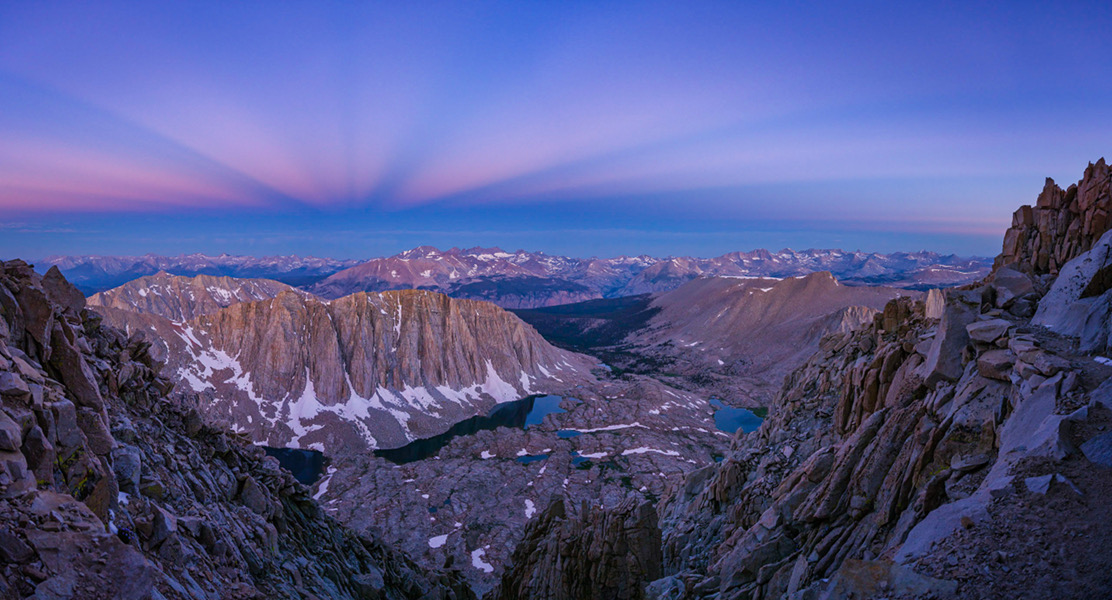
Not my pic of the eastern horizon from a fine trail descending mt whitney, last seen <mumble> decades ago on the ninth day of our once and only trans-sierra pack.
# good times (click pic for bigger)
src: https://apod.nasa.gov/apod/ap191011.html

"Explanation: Nature photographers and other fans of planet Earth always look forward to the blue hour. That's the transition in twilight, just before sunrise or after sunset, when the Sun is below the horizon but land and sky are still suffused with beautiful bluish hues of light. On August 8 this early morning blue hour panorama scanned along the clear western sky, away from the impending sunrise. A breathtaking scene, it looks down the slopes of Mt. Whitney, from along the John Muir Trail toward rugged peaks of planet Earth's Sierra Nevada mountain range. Above the horizon a faint pinkish band of back scattered sunlight, the anti-twilight arch or Belt of Venus, borders the falling grey shadow of Earth itself. Subtle bands of light across the clear sky are anti-crepuscular rays, defined by shadows of clouds near the sunward horizon. Actually following parallel lines they seem to converge along the horizon at the point opposite the rising Sun due to perspective."
smh
How long do you want to ignore this user?
ancient Hair lyrics: "good morning staar-shiine, the earth says hellloo. you twinkle down on us, we twinkle below"

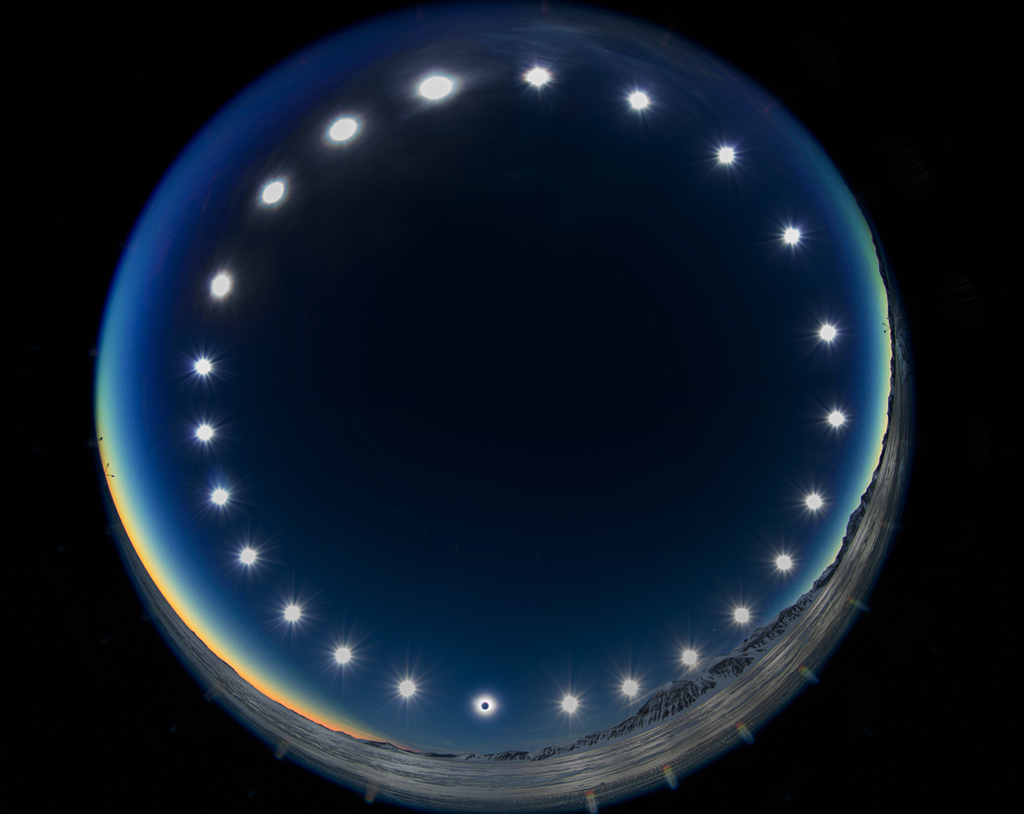
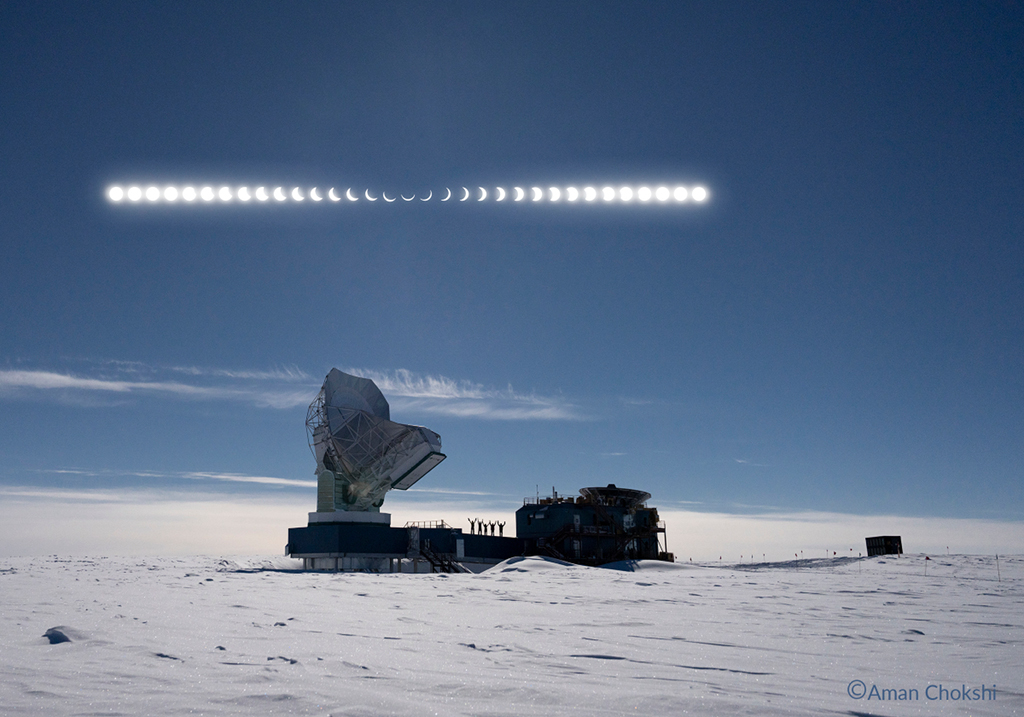
Explanation: During polar day, in Arctic and Antarctic summer, the Sun stays above the horizon for periods of 24 hours or more. Recorded on December 4, this fisheye timelapse image tracks the Sun in multiple frames as it completes a circle in the summer sky above Union Glacier, Antarctica. Of course on that date, Union Glacier's sky did grow dark even though the Sun was above the horizon. Captured during the brief period of totality, an eclipsed Sun is at bottom center of the composite view. Near the edge of the total eclipse path across planet Earth, the Moon's shadow darkens the sky above.
src: https://apod.nasa.gov/apod/ap211210.html

bonus selfie (also not mine)..
https://apod.nasa.gov/apod/ap211211.html
smh
How long do you want to ignore this user?
twitter test,, click tweet gif if it doesn't auto-expand..

smh
How long do you want to ignore this user?
^ click pic to view, or not, courtesy Alan "Resident Alien" Tudyk retweet..
https://twitter.com/AlanTudyk
smh
How long do you want to ignore this user?
may 2022 catchup..

https://apod.nasa.gov/apod/ap220520.html
^ click for bigger better
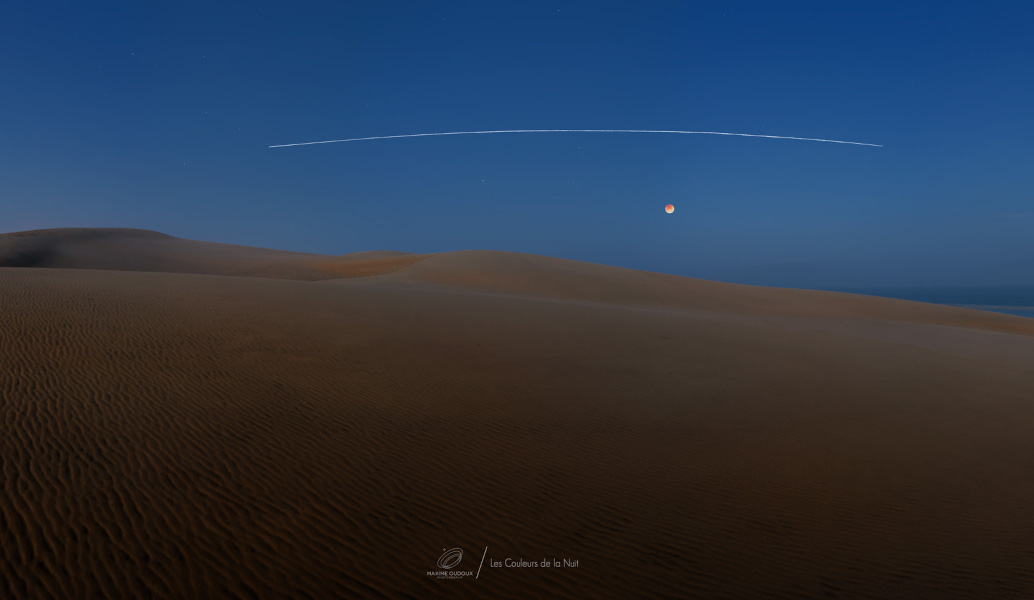
> This serene sand and skyscape finds the Dune of Pilat on the coast of France still in Earth's shadow during the early morning hours of May 16. Extending into space, the planet's dark umbral shadow covered the Moon on that date. From that location the the total phase of a lunar eclipse had begun before moonset. Still in sunlight though, the International Space Station cossed from the western horizon and Earth's largest artificial moon traced the bright flat arc through the sky over 400 km above. Simply constructed, the well-planned panoramic scene was captured over a 5 minutes in a series of consecutive images.

bonus..


muting more than 300 handles, turnaround is fair play
smh
How long do you want to ignore this user?
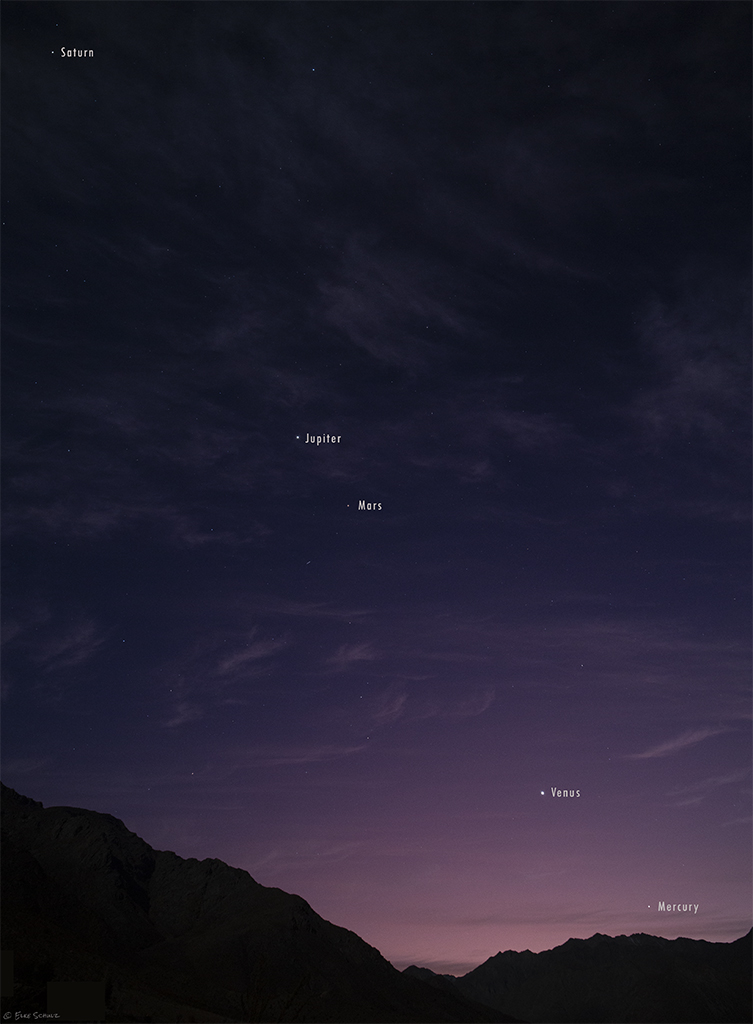
> from both hemispheres June 17th's beautiful planetary display finds the visible planets in order of their increasing distance from the sun
https://apod.nasa.gov/apod/ap220617.html

muting more than 300 handles, turnaround is fair play
smh
How long do you want to ignore this user?

https://apod.nasa.gov/apod/ap220719.html
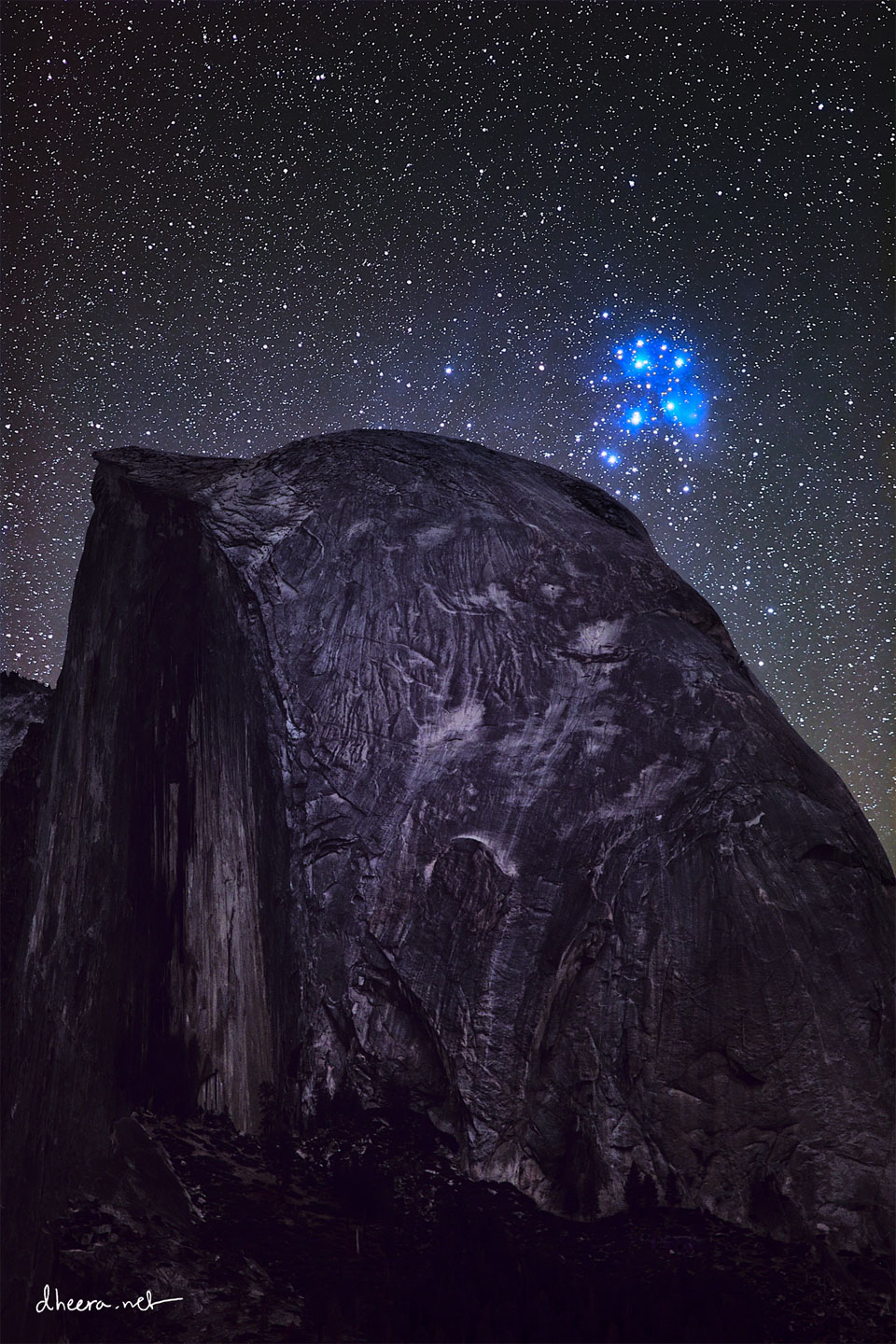
been on half dome a couple times, but no where near as impressive as this view..
> Stars come in bunches. The most famous bunch of stars on the sky is the Pleiades, a bright cluster that can be easily seen with the unaided eye. The Pleiades lies only about 450 light years away, formed about 100 million years ago, and will likely last about another 250 million years. Our Sun was likely born in a star cluster, but now, being about 4.5 billion years old, its stellar birth companions have long since dispersed. The Pleiades star cluster is pictured over Half Dome, a famous rock structure in Yosemite National Park in California, USA. The featured image is a composite of 28 foreground exposures and 174 images of the stellar background, all taken from the same location and by the same camera on the same night in October 2019. After calculating the timing of a future juxtaposition of the Pleiades and Half Dome, the astro-photrographer was unexpectedly rewarded by an electrical blackout, making the background sky unusually dark.
smh
How long do you want to ignore this user?
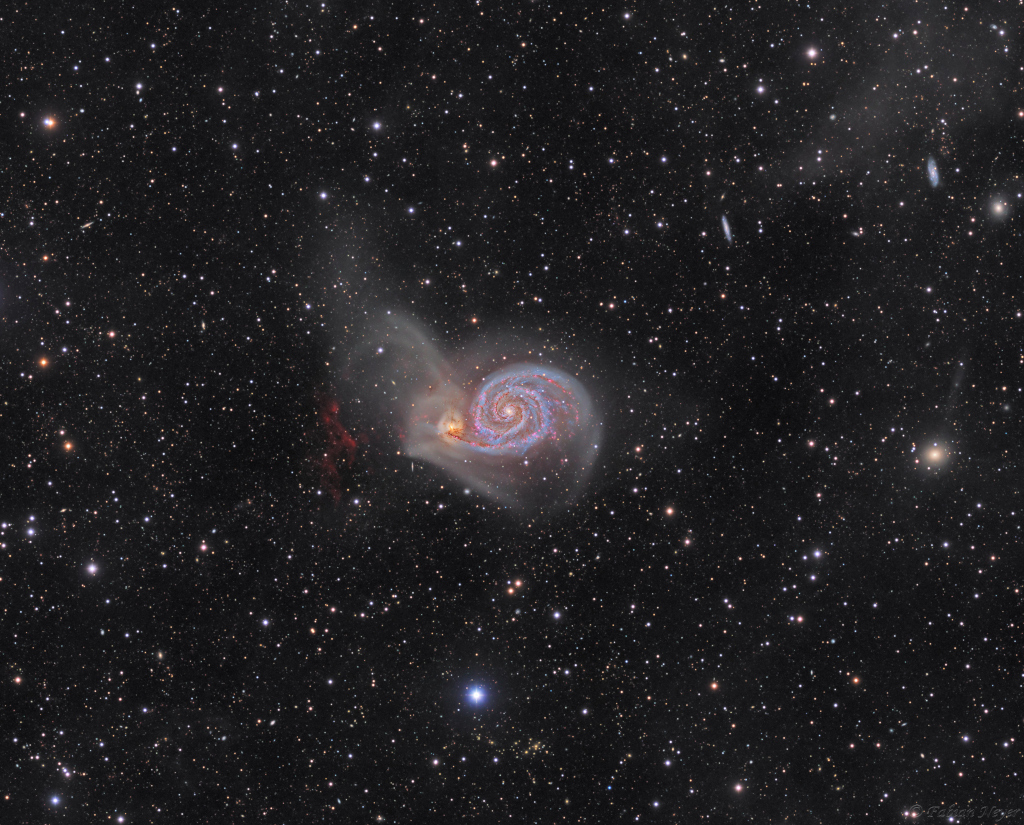
double click for bigger?
https://apod.nasa.gov/apod/ap220902.html

In direct telescopic views, M51 looks faint and fuzzy to the eye. But this remarkably deep image shows off details of the interacting galaxy's striking colors and galactic tidal debris. The image includes nearly 90 hours of narrowband data that also reveals a vast glowing cloud of reddish ionized hydrogen gas..
muting more than 300 handles, turnaround is fair play
smh
How long do you want to ignore this user?


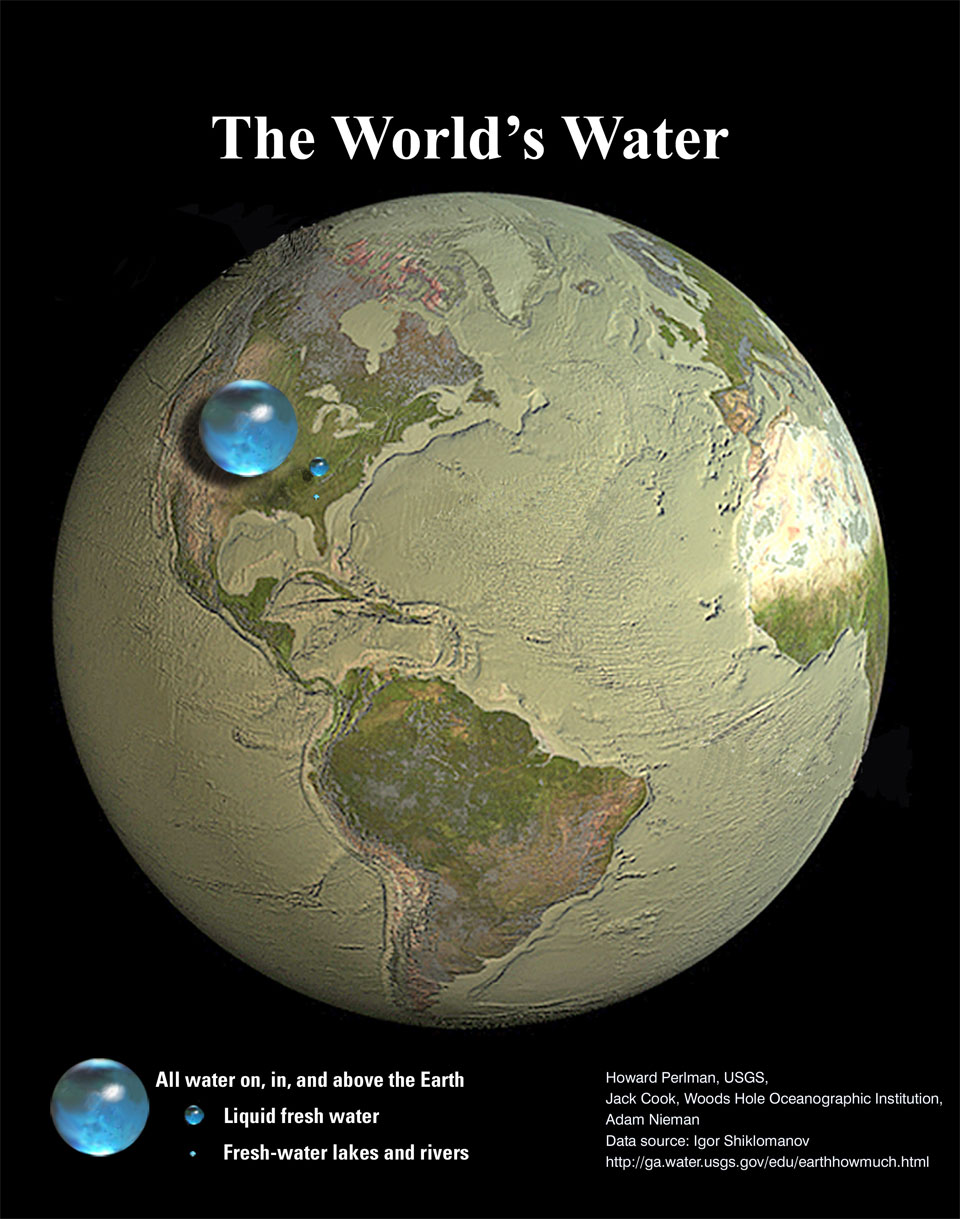
https://apod.nasa.gov/apod/ap220926.html
> Explanation: How much of planet Earth is made of water? Very little, actually. Although oceans of water cover about 70 percent of Earth's surface, these oceans are shallow compared to the Earth's radius. The featured illustration shows what would happen if all of the water on or near the surface of the Earth were bunched up into a ball. The radius of this ball would be only about 700 kilometers, less than half the radius of the Earth's Moon, but slightly larger than Saturn's moon Rhea which, like many moons in our outer Solar System, is mostly water ice. The next smallest ball depicts all of Earth's liquid fresh water, while the tiniest ball shows the volume of all of Earth's fresh-water lakes and rivers. How any of this water came to be on the Earth and whether any significant amount is trapped far beneath Earth's surface remain topics of research.
smh
How long do you want to ignore this user?
smh
How long do you want to ignore this user?
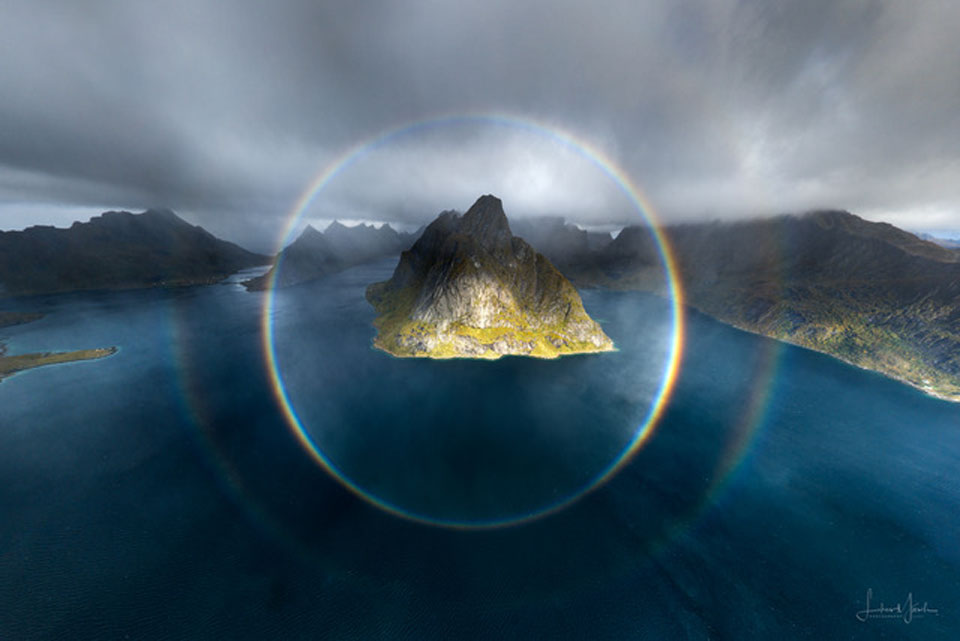
https://apod.nasa.gov/apod/ap221227.html

> Have you ever seen an entire rainbow? From the ground, typically, only the top portion of a rainbow is visible because directions toward the ground have fewer raindrops.. Pictured here, a full-circle rainbow was captured over the Lofoten Islands of Norway in September by a drone passing through a rain shower.
smh
How long do you want to ignore this user?
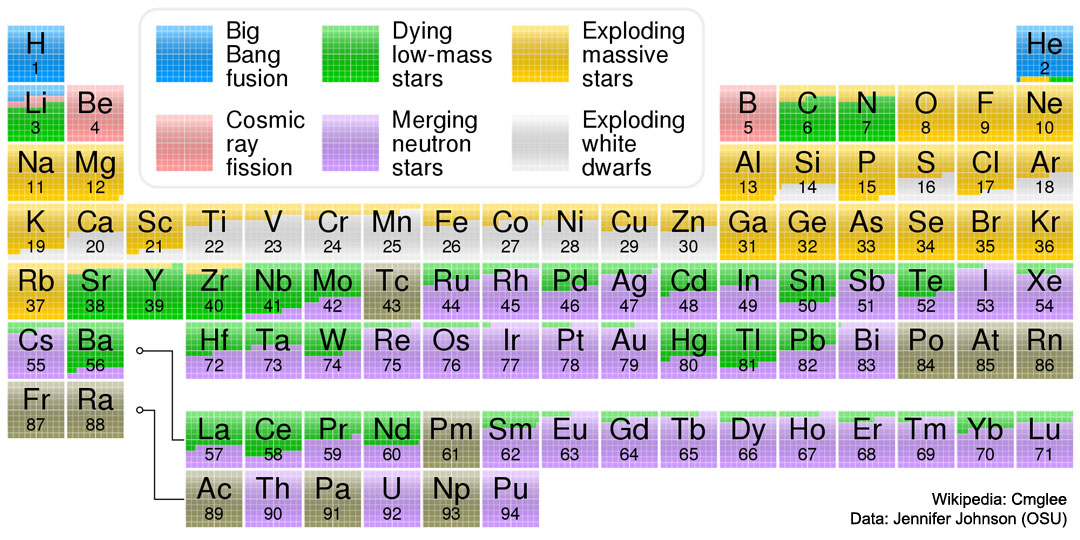
trivial pursuit..
https://apod.nasa.gov/apod/ap230108.html
Explanation: The hydrogen in your body, present in every molecule of water, came from the Big Bang. There are no other appreciable sources of hydrogen in the universe. The carbon in your body was made by nuclear fusion in the interior of stars, as was the oxygen. Much of the iron in your body was made during supernovas of stars that occurred long ago and far away. The gold in your jewelry was likely made from neutron stars during collisions that may have been visible as short-duration gamma-ray bursts or gravitational wave events. Elements like phosphorus and copper are present in our bodies in only small amounts but are essential to the functioning of all known life. The featured periodic table is color coded to indicate humanity's best guess as to the nuclear origin of all known elements. The sites of nuclear creation of some elements, such as copper, are not really well known and are continuing topics of observational and computational research.


Cal88
How long do you want to ignore this user?
smh said:


https://apod.nasa.gov/apod/ap220719.html
been on half dome a couple times, but no where near as impressive as this view..
> Stars come in bunches. The most famous bunch of stars on the sky is the Pleiades, a bright cluster that can be easily seen with the unaided eye. The Pleiades lies only about 450 light years away, formed about 100 million years ago, and will likely last about another 250 million years. Our Sun was likely born in a star cluster, but now, being about 4.5 billion years old, its stellar birth companions have long since dispersed. The Pleiades star cluster is pictured over Half Dome, a famous rock structure in Yosemite National Park in California, USA. The featured image is a composite of 28 foreground exposures and 174 images of the stellar background, all taken from the same location and by the same camera on the same night in October 2019. After calculating the timing of a future juxtaposition of the Pleiades and Half Dome, the astro-photrographer was unexpectedly rewarded by an electrical blackout, making the background sky unusually dark.


Which app would you recommend to assist in stargazing?
smh
How long do you want to ignore this user?
> Which app would you recommend to assist in stargazing?

what's an app? signed, cell-less since birth <mumble> decades ago
smh
How long do you want to ignore this user?
happy perihelion, when the earth is closest to the sun by a small percentage
[some days later, but still..]
https://www.thesuntoday.org/solstice-equinox/perihelion-2023
Cal88
How long do you want to ignore this user?
This belongs in a CJ thread!

smh
How long do you want to ignore this user?

^ "you are here".. twitter image sharing fail

muting more than 300 handles, turnaround is fair play
smh
How long do you want to ignore this user?
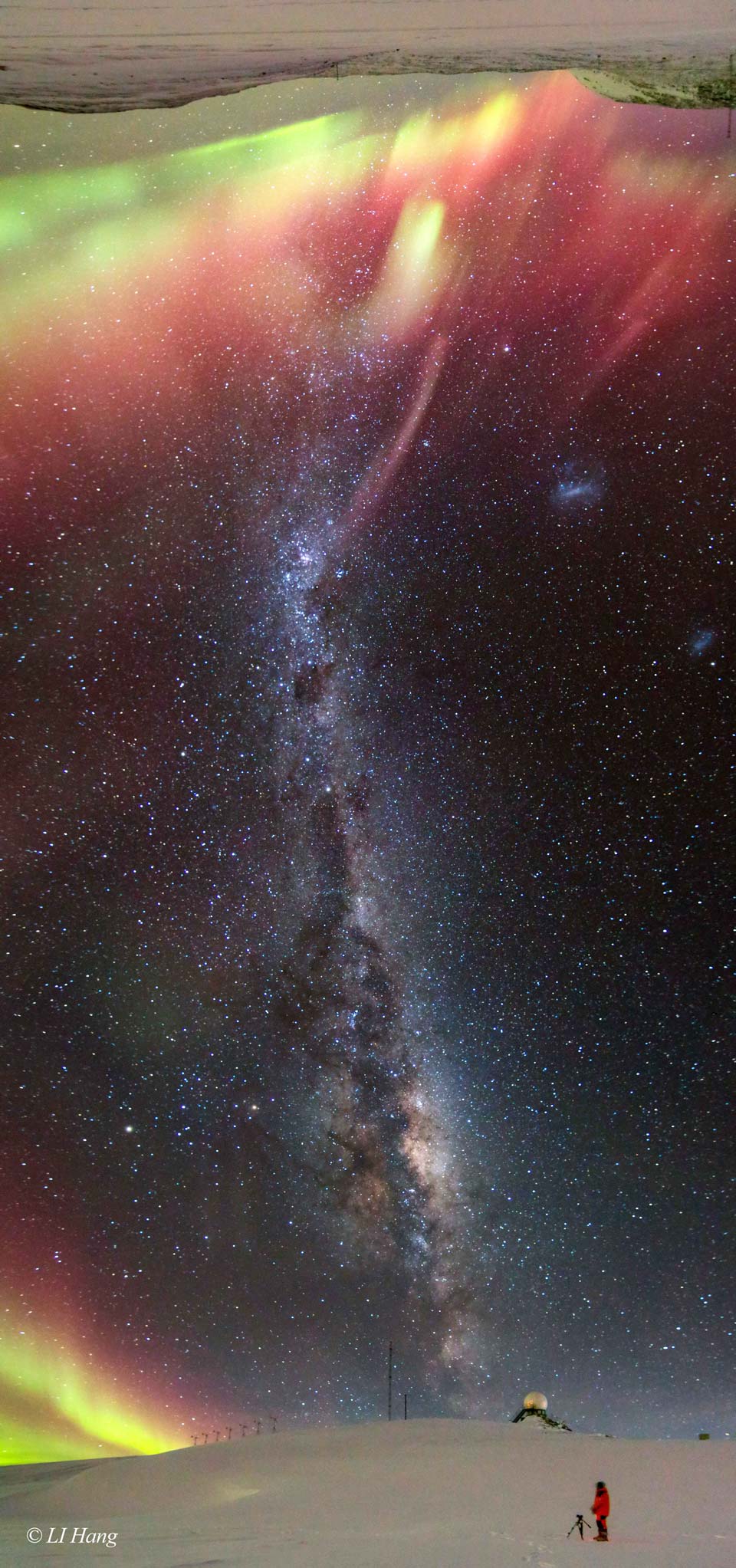
seen the world from both sides, now?
https://apod.nasa.gov/apod/ap230702.html
(fwiw.. double click link for even bigger view)

> Explanation: It was one of the better skies of this long night. In parts of Antarctic, not only is it winter, but the Sun can spend weeks below the horizon.. Pointing up, the wide angle lens captured not only the ground at the bottom, but at the top as well. In the foreground, a colleague is taking pictures. In the distance, a spherical satellite receiver and several windmills are visible. Numerous stars dot the night sky, including Sirius and Canopus. Far in the background, stretching overhead from horizon to horizon, is the central band of our Milky Way Galaxy. Even further in the distance, visible as extended smudges near the top, are the Large and Small Magellanic Clouds, satellite galaxies..
smh
How long do you want to ignore this user?
yet another standing on a rock selfie..
> Brocken Spectre in the High Tatras Mountains [Slovakia]
https://epod.usra.edu/blog/2023/11/my-brocken-spectre-in-the-high-tatras-mountains.html


> A few weeks back, I saw my "second self" in the clouds above the High tatras Mountains of Slovakia, near the top of the Krivan Peak (8,186 ft or 2,494 m). This amazing Broken Spectre, consisting of my shadow surrounded by colorful rings (glory) formed in a layer of fog as the Sun shone behind me. To see this phenomenon, it's necessary to look toward the antisolar point. It lasted only until the fog began to dissipate. Photo taken on August 19, 2023.
smh
How long do you want to ignore this user?

https://epod.usra.edu/blog/2023/12/fire-umbrella-over-mt-etna.html
> The "fire umbrella" shown above results from an altocumulus standing lenticular cloud, draped over Mt Etna, that's illuminated by the glow of a *minor* eruption... Photo taken on November 11, 2023, just past midnight

Photo details: Canon 6D, Mark II Camera; Canon EF 200mm. lens; f/2.8; f/5; 5 second exposure; ISO 6400; LightRoom and Photoshop software.
Photographer: Gianni Tumino

EARTH SCIENCE PICTURE OF THE DAY, December 15, 2023
https://epod.usra.edu/blog/2023/12/fire-umbrella-over-mt-etna.html
smh
How long do you want to ignore this user?
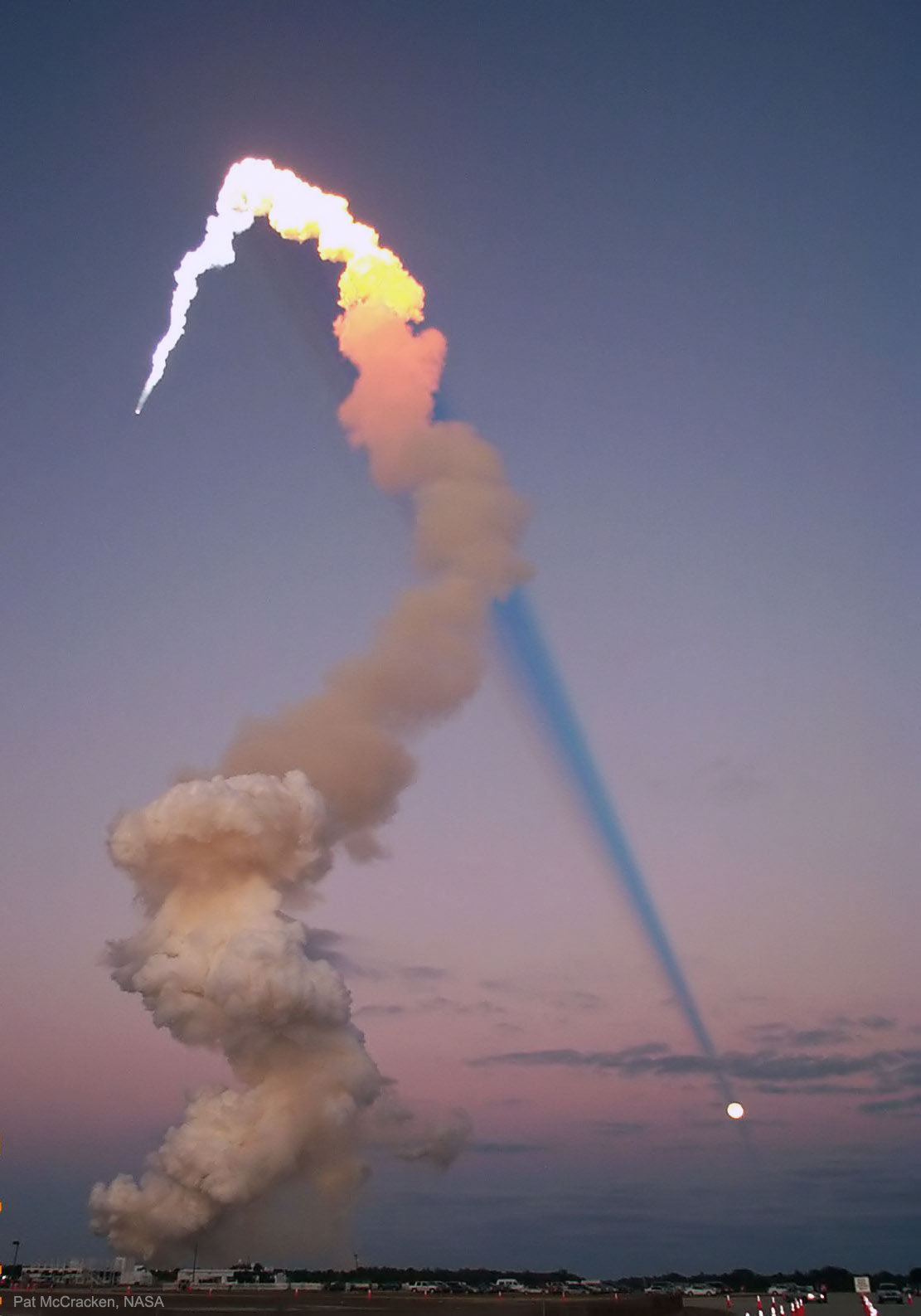
moonshine rocket launch..
https://apod.nasa.gov/apod/ap240211.html

smh
How long do you want to ignore this user?

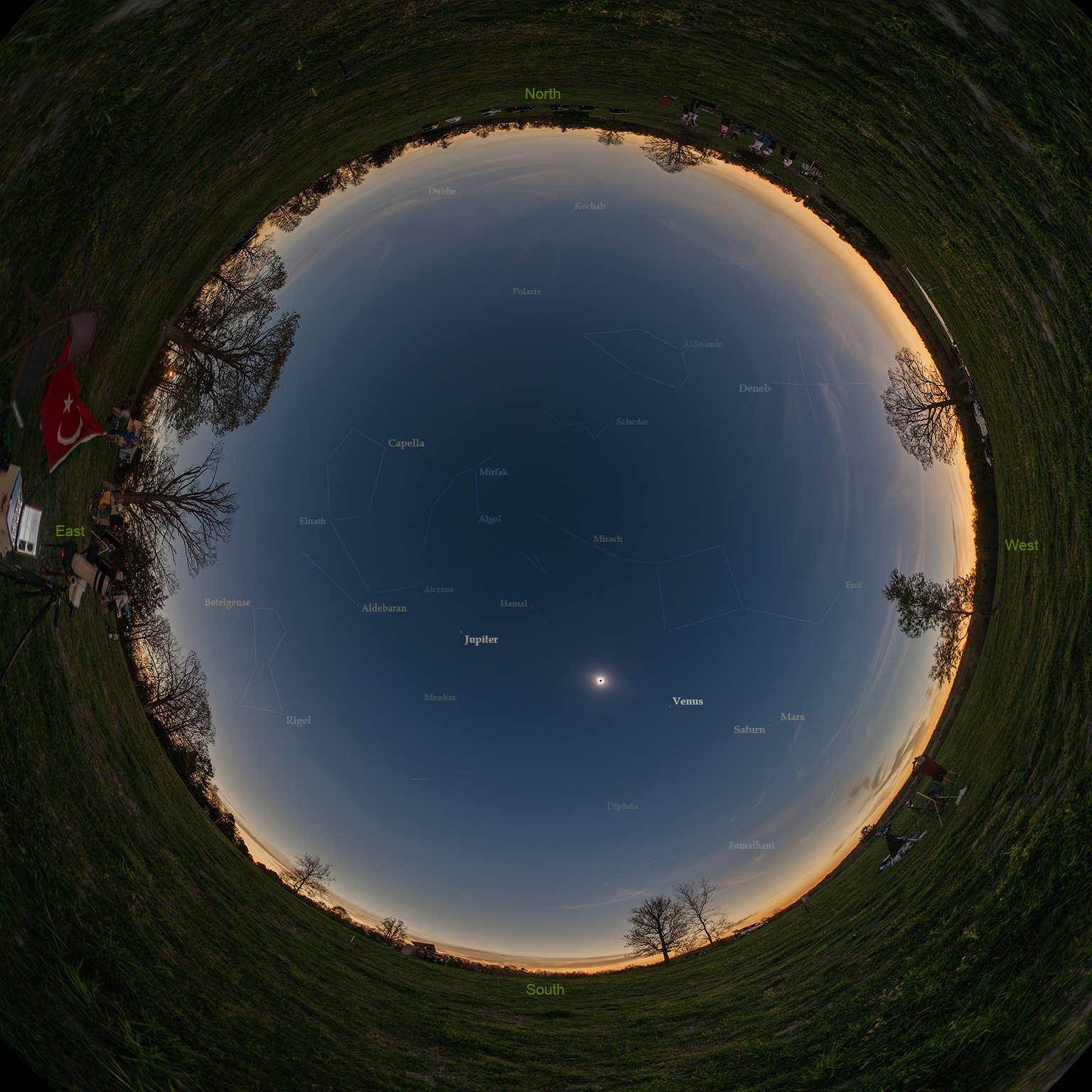
western roundup
https://apod.nasa.gov/apod/ap240427.html

> Explanation: If the Sun is up but the sky is dark and the horizon is bright all around, you might be standing in the Moon's shadow during a total eclipse of the Sun. In fact, the all-sky Moon shadow shown in this composited panoramic view was captured from a farm near Shirley, Arkansas, planet Earth. The exposures were made under clear skies during the April 8 total solar eclipse. For that location near the center line of the Moon's shadow track, totality lasted over 4 minutes. Along with the solar corona surrounding the silhouette of the Moon planets and stars were visible during the total eclipse phase. Easiest to see here are bright planets Venus and Jupiter, to the lower right and upper left of the eclipsed Sun.
smh
How long do you want to ignore this user?

https://epod.usra.edu/blog/2024/06/the-noose-of-mars-2022.html
Quote:

Whenever the opposition of Mars occurs, it's interesting to follow its looping path in the sky relative to the stars. The approach of the Earth to the Red Planet, and its progressive distancing, due to a perspective effect, causes a double inversion of the apparent motion of the latter, creating what appears to be a noose in the sky. These images of Mars were taken from August 12, 2022, to March 22, 2023, every night, weather permitting. They were aligned with the background stars in the rich star field of the constellation of Taurus.

In February 2023, Comet C/2022_E3 (ZTF) , crossed the loop of Mars. Note the Pleiades star cluster at right center.

Photo Details: Background is a sum of 13 images taken on a very clear night from the top of Mount Cadrigna (1,304 m), Italy, on the evening of December 27, 2022..
#gobears
muting more than 300 handles, turnaround is fair play
smh
How long do you want to ignore this user?
playing thru.. on Mars
https://apod.nasa.gov/apod/ap240909.html <click image for bigger?>
Quote:

Explanation: If you could fly over Mars, what might you see? The featured image shows exactly this in the form of a Mars Express vista captured over a particularly interesting region on Mars in July. The picture's most famous feature is Olympus Mons, the largest volcano in the Solar System, visible on the upper right. Another large Martian volcano is visible on the right horizon: Pavonis Mons. Several circular impact craters can be seen on the surface of the aptly named red planet. Impressively, this image was timed to capture the dark and doomed Martian moon Phobos, visible just left of center. The surface feature on the lower left, known as Orcus Patera, is unusual for its large size and oblong shape, and mysterious because the processes that created it still remain unknown. ESA's robotic Mars Express spacecraft was launched in 2003 and, among many notable science discoveries, bolstered evidence that Mars was once home to large bodies of water.

====
not too shabby previous day bonus content featured the Andromeda Galaxy..
https://apod.nasa.gov/apod/ap240908.html

> 12,739 Views | 99 Replies
muting more than 300 handles, turnaround is fair play
smh
How long do you want to ignore this user?
..apparently it's against cybears rules to share stuff again and again in the same thread, so i'll stop.
# Vote Blue2

 
×
subscribe Verify your student status
See Subscription Benefits
Trial only available to users who have never subscribed or participated in a previous trial.