I guess i was behind the times and didn't really understand that when Cal was founded the idea was to base the university on the model found at German universities - where the university was there to hold classes for the students but everything else (housing, meals, social life) was up to the students themselves. That is in contrast to the English model (think Oxbridge) where residential colleges where central to the experience.
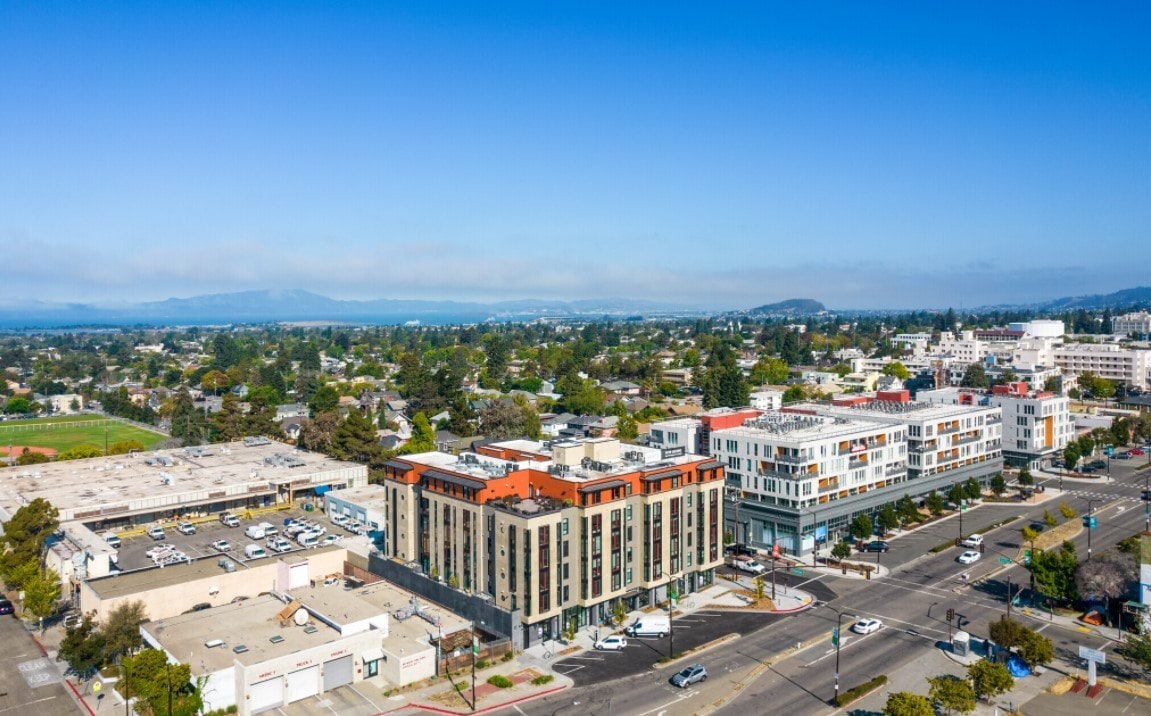
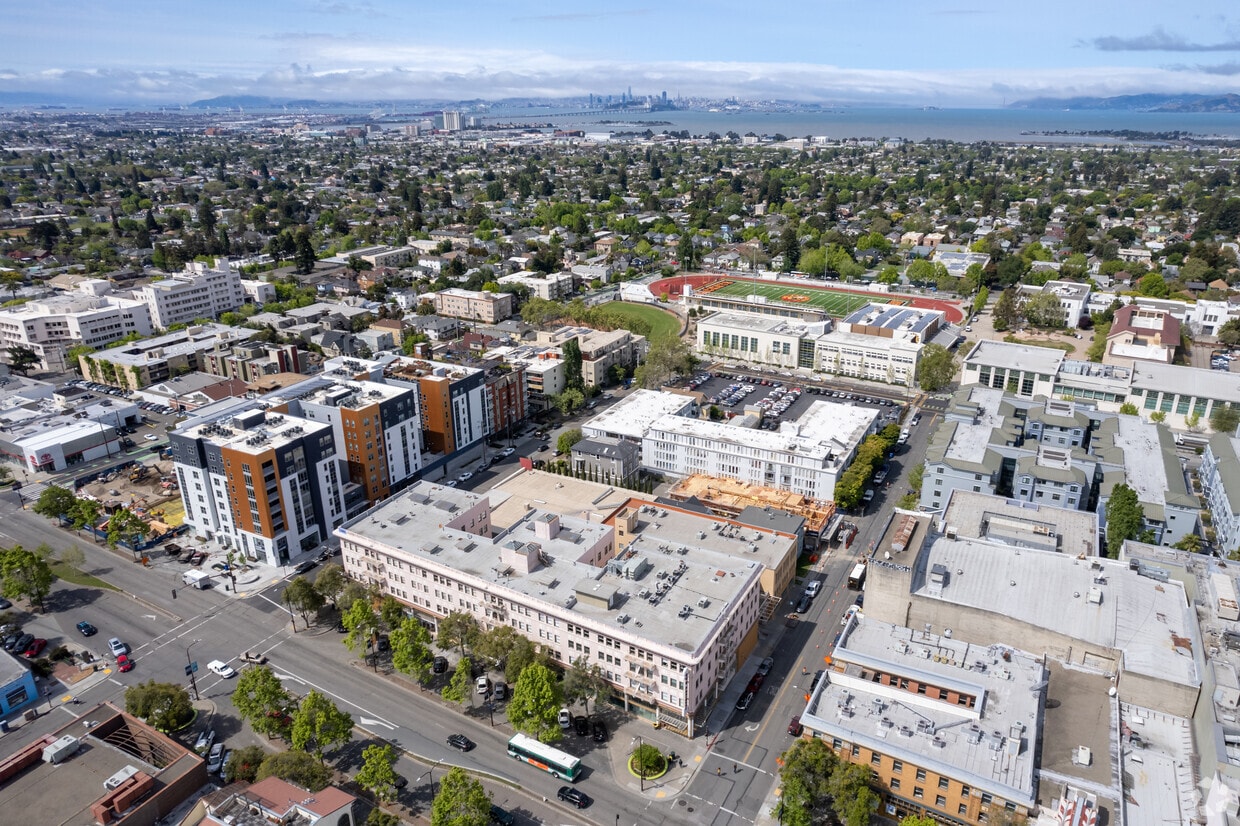
Now in the late 1950s Kerr broke that but interestingly Cal remains the campus with the lowest ratio of housing to students. It likely created a lot of the dynamics in Berkeley politics. The articles I read also suggested that when Cal finally started to house a significant portion of students on campus it really broke the political power of the Greek system. It also has created the situation where much of the student housing isn't in the "core" of the campus but on university acquired land surrounding.
But I also wonder if it translated into some of the challenges in respect to alumni engagement and the kind of passionate following sports have at land grant schools that have a different model. Now of course the Kerr changes are 60 years old but Cal still has student housing challenges.
Now in the late 1950s Kerr broke that but interestingly Cal remains the campus with the lowest ratio of housing to students. It likely created a lot of the dynamics in Berkeley politics. The articles I read also suggested that when Cal finally started to house a significant portion of students on campus it really broke the political power of the Greek system. It also has created the situation where much of the student housing isn't in the "core" of the campus but on university acquired land surrounding.
But I also wonder if it translated into some of the challenges in respect to alumni engagement and the kind of passionate following sports have at land grant schools that have a different model. Now of course the Kerr changes are 60 years old but Cal still has student housing challenges.