
Interesting thing I never knew (and some explinations for cal suckiness)

6,203 Views | 45 Replies | Last: 2 yr ago by mbBear
socaltownie
How long do you want to ignore this user?
I guess i was behind the times and didn't really understand that when Cal was founded the idea was to base the university on the model found at German universities - where the university was there to hold classes for the students but everything else (housing, meals, social life) was up to the students themselves. That is in contrast to the English model (think Oxbridge) where residential colleges where central to the experience.

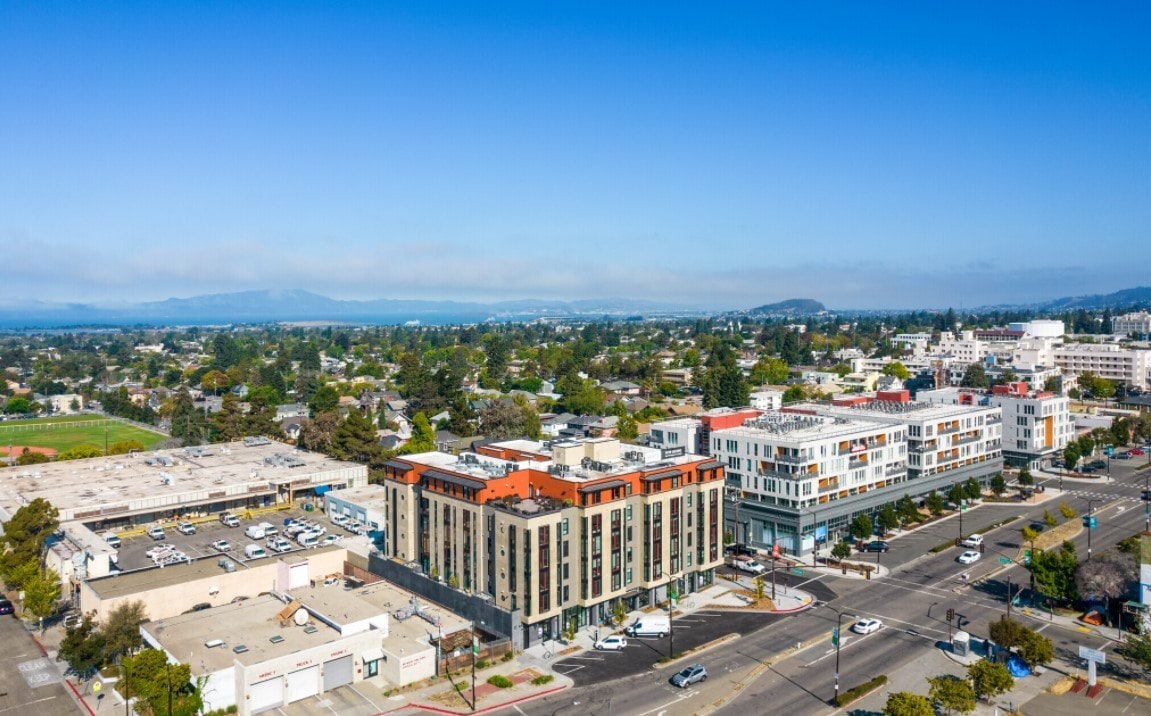
Now in the late 1950s Kerr broke that but interestingly Cal remains the campus with the lowest ratio of housing to students. It likely created a lot of the dynamics in Berkeley politics. The articles I read also suggested that when Cal finally started to house a significant portion of students on campus it really broke the political power of the Greek system. It also has created the situation where much of the student housing isn't in the "core" of the campus but on university acquired land surrounding.

But I also wonder if it translated into some of the challenges in respect to alumni engagement and the kind of passionate following sports have at land grant schools that have a different model. Now of course the Kerr changes are 60 years old but Cal still has student housing challenges.
bearsandgiants
How long do you want to ignore this user?
This would make a great research paper.
Oski87
How long do you want to ignore this user?
The AAU which Cal was a founding member of was in direct response to the quality of the German Universities, which were the leaders in the early 1900's in terms of capabilities on research. The German scientists who all left over the next 50 years really made the US the cream of the crop in terms of research. The idea of the German universities which had colleges which did specific research was critical in driving discovery on pure science. There was a huge amount of industrial grant writing as well from huge German industrial companies. The AAU was a response to that and had measures about how to move forward to overtake the German schools.

Post War Germany the Universities were de-nazified, and they (the Universities) lost a ton of power and prestige. The medical schools were essentially shut down and re-built. My great Grandfather was a three star general and a physician in charge of that in the 40's and early 50's working for Marshall. But all of that is why frankly the European countries have socialized medicine - because care had to be rationed after the war and there were not a lot of physicians around. A lot of the doctors in eastern Europe, Germany, occupied France, etc were unable to continue due to their wartime activities. And of course post war, Truman developed the NIH, which started to give tons of money to universities for basic health research, and physicians came here to do research (and make money).

Anarchistbear
How long do you want to ignore this user?


"One of the largest capital campaigns launched by any public or private U.S. university UC Berkeley's Light the Way: The Campaign for Berkeley has come to an official and impressive end. Its ambitious $6 billion goal was vastly surpassed, with more than $7.37 billion raised the largest total in history for any public university and for any university without a medical school. "

The total exceeds the capital campaign's goal of $6 billion; 76% of the more than 1 million gifts were $1,000 or less.

Alumni are engaged just not with a crappy football program
Bobodeluxe
How long do you want to ignore this user?
Anarchistbear said:


"One of the largest capital campaigns launched by any public or private U.S. university UC Berkeley's Light the Way: The Campaign for Berkeley has come to an official and impressive end. Its ambitious $6 billion goal was vastly surpassed, with more than $7.37 billion raised the largest total in history for any public university and for any university without a medical school. "

The total exceeds the capital campaign's goal of $6 billion; 76% of the more than 1 million gifts were $1,000 or less.

Alumni are engaged just not with a crappy football program
Then it doesn't count.
Strykur
How long do you want to ignore this user?
Bobodeluxe said:

Anarchistbear said:

"One of the largest capital campaigns launched by any public or private U.S. university UC Berkeley's Light the Way: The Campaign for Berkeley has come to an official and impressive end. Its ambitious $6 billion goal was vastly surpassed, with more than $7.37 billion raised the largest total in history for any public university and for any university without a medical school. "

The total exceeds the capital campaign's goal of $6 billion; 76% of the more than 1 million gifts were $1,000 or less.

Alumni are engaged just not with a crappy football program
Then it doesn't count.
I mentioned this elsewhere but if we can still raise tons of money while sucking in revenue sports then the ivory tower folks can stay checked out on fall Saturdays which will suck for us peons who still buy tickets for this crap.
BarcaBear
How long do you want to ignore this user?
Oski87 said:

The AAU which Cal was a founding member of was in direct response to the quality of the German Universities, which were the leaders in the early 1900's in terms of capabilities on research. The German scientists who all left over the next 50 years really made the US the cream of the crop in terms of research. The idea of the German universities which had colleges which did specific research was critical in driving discovery on pure science. There was a huge amount of industrial grant writing as well from huge German industrial companies. The AAU was a response to that and had measures about how to move forward to overtake the German schools.

Post War Germany the Universities were de-nazified, and they (the Universities) lost a ton of power and prestige. The medical schools were essentially shut down and re-built. My great Grandfather was a three star general and a physician in charge of that in the 40's and early 50's working for Marshall. But all of that is why frankly the European countries have socialized medicine - because care had to be rationed after the war and there were not a lot of physicians around. A lot of the doctors in eastern Europe, Germany, occupied France, etc were unable to continue due to their wartime activities. And of course post war, Truman developed the NIH, which started to give tons of money to universities for basic health research, and physicians came here to do research (and make money).


interesting stuff about the AAU rise in research. you should know, however, that post WW2 scarcity of medical personnel is not the reason for the prevalence of socialized healthcare in Europe. socialized care predates that by 40-60 years. the origin is Germany, and its success led to other European countries adopting socialized care about 20 years after Germany around the turn of the century.
calumnus
How long do you want to ignore this user?
I think Cal "suckiness" in football is due to:

1. Rise of the NFL in Bay Area. Name another school that competed with two NFL franchises for fans, or another two NFL franchises in the same area that won more Super Bowls?

2. Bad ADs. Hired by Chancellors who are 100% hired for academics, often from schools that do not compete in athletics at a high level.

2.1 Not retaining winning coaches like White and Snyder, making bad hires, retaining bad hires for too long. Some bad luck, bad decisions and bad health with the one good coach we hired and retained (Tedford).

NFL has now left the North Bay and all professional sports have left the East Bay. The opportunity is there. We might luck out with a new Chancellor. NIL puts more power in the hands of smart, passionate, alums.

We do need the innovative thinking that we are known for in other areas to permeate our athletics programs, as our admin is stuck in the 19th century and much of our (aging) fan base is stuck in the 20th century.
HearstMining
How long do you want to ignore this user?
Rise of the NFL = really, just the 49ers. I lived in Seattle from 1983 - 1992 and upon returning was amazed at how much the 49ers had come to dominate the media. Even today in the SacBee (my local paper, rapidly declining in size like all the others), there's more coverage of the 49er offseason player contract issues than the NBA Kings, who are a pretty good team for the second year in a row.
DoubtfulBear
How long do you want to ignore this user?
calumnus said:

1. Rise of the NFL in Bay Area. Name another school that competed with two NFL franchises for fans, or another two NFL franchises in the same area that won more Super Bowls?
UW and Seahawks have had overlapping successful periods w/o either team needing to sacrifice fans in the process
wifeisafurd
How long do you want to ignore this user?
Anarchistbear said:


"One of the largest capital campaigns launched by any public or private U.S. university UC Berkeley's Light the Way: The Campaign for Berkeley has come to an official and impressive end. Its ambitious $6 billion goal was vastly surpassed, with more than $7.37 billion raised the largest total in history for any public university and for any university without a medical school. "

The total exceeds the capital campaign's goal of $6 billion; 76% of the more than 1 million gifts were $1,000 or less.

Alumni are engaged just not with a crappy football program
Nice of you to quote Cal's PR and then come-up with a snarky statement that is devoid of any real analysis of the Cal Campaign's donations other than to say there were a lot of small gifts from unidentified sources (what percentage were alums?), and obviously very large gifts, that actually are meaningful. Nor does is seem to reflect on the amount received from alumni donors relative to other schools, or donor participation rates, which Cal actually is on the low side for all major colleges.

So taking a deeper dive, the number in last year's fiscal report was the Campaign had raised $5.8 Billion. When this fiscal year's report comes out it will have numbers for the entire Campaign. Using last year's report, about 42% of what was raised was pledges from alums. The other 58% essentially was from "friends" like the Zuckerbergs, private foundations, and corporations. I would anticipate we will find the remainder of the funds pledged during the campaign will reflect similar ratios of giving.

How do these donors amounts rates measure up for a major university like Cal (good, bad or average)? Dollars wise Cal sucks compared to Cal's peers. See, https://shar.es/agqfQj. It reflect how badly Cal's overall endowment is relative to other schools. Some of this is a state versus private school problem if you throw out Michigan at Ann Arbor and Texas at Austin. In that regard, the entire UC system was one school, it's combined endowments would be in 11th place among colleges, and Cal currently reported endowment, though improving, is in th high 30s (Cal is number 20 for public schools taken individually (not with their State system). The endowment numbers should improve as pledges from the Campaign are collected. But Cal currently is behind UCLA and USCD even in its own UC system. Cal also is behind its peers in the participation rate of alums who give as well.
15 Colleges Where the Most Alumni Donate | The Short ListU.S. News & World Reporthttps://www.usnews.com ... The Short List: Colleges It also is not in the top 20 per Statistica. (Trying to be nice, but Cal has had numerous studies and the consultant all come back with Cal relies on the same narrow (and aging) alumni base).


Let me suggest a change in the narrative in terms of this last Campaign. The credit goes to Cal's stellar reputation in research and innovation, and Julie Hooper's and the faculty's ability to persuade these "non-captive" wealthy sources to invest in Cal.

The $7.37 Billion you cited also includes money donated to the athletic department, and on a department basis the athletic department was in the upper tier. Some departments recorded Billion Dollar funding and knocked it out of the park (or whatever metaphor you want to use). It is tough to understand the value of athletics in bringing money to Campus. In looking at the annual report, I'm struck by how many of the largest alumni donors (alumni are identified by graduation year) are involved with Cal athletic programs and attend Cal football games. If you look at the portion of Cal's annual report dedicated to the Campaign, most of the inserted pictures are on football related activities such as Ott scoring a touchdown or the Chancellor posing with students or fans at games. The football team is receiving more donations than in the successful JT years, but then again a lot of dollars were donated to the SAHPC or the stadium remodel back then, so it hard to tell if football is taking in less or more. All this is how Cal antidotally presents itself. Maybe you have some data you can provide in terms of your unsupported assertions and inferences?
wifeisafurd
How long do you want to ignore this user?
Strykur said:

Bobodeluxe said:

Anarchistbear said:

"One of the largest capital campaigns launched by any public or private U.S. university UC Berkeley's Light the Way: The Campaign for Berkeley has come to an official and impressive end. Its ambitious $6 billion goal was vastly surpassed, with more than $7.37 billion raised the largest total in history for any public university and for any university without a medical school. "

The total exceeds the capital campaign's goal of $6 billion; 76% of the more than 1 million gifts were $1,000 or less.

Alumni are engaged just not with a crappy football program
Then it doesn't count.
I mentioned this elsewhere but if we can still raise tons of money while sucking in revenue sports then the ivory tower folks can stay checked out on fall Saturdays which will suck for us peons who still buy tickets for this crap.
I think it is misleading to say Cal raises tons of money - at least from donors. Cal donor participation rates and amount donated sucks, particularly versus other major colleges and peer schools, and is behind the amount of donations from non-alum sources. Donations from alums in improving under Chancellor Christ, but we are losing her shortly, and let's just hope julie Hoper stays on. That probably depends on who is named as the next Chancellor.

Moreover, the football program has reached the epic catagory of being mediocre, not crappy, which I'm sure excites all donors (sarcasm intended).
Larno
How long do you want to ignore this user?
I was very surprised when I found out a few years ago that the first dorms at Cal were not built until around 1960 or so. I always thought of UCLA as a commuter school, and it is, but Cal apparently is even more so. On the other hand, there was no tuition up until the mid-60's so that was not added to the cost of living around campus. A good way to sound like an old geezer Blue is to relate paying your way through Cal with summer employment, which I did in 1971 - 1973 (after two years of junior college). Not as good a story as paying no tuition at all, as was the case with some of my relatives, but still unimaginable today.
nwbear84
How long do you want to ignore this user?
DoubtfulBear said:

calumnus said:

1. Rise of the NFL in Bay Area. Name another school that competed with two NFL franchises for fans, or another two NFL franchises in the same area that won more Super Bowls?
UW and Seahawks have had overlapping successful periods w/o either team needing to sacrifice fans in the process


I'm not so sure there. Having lived in Seattle for nearly 40 years, most of that time the Seahawks really weren't relevant. I have relatives that originated here and they will switch intensity based upon which team is doing well. Basically, UW was and, to a certain degree, maintains the same level of support as a pro team amongst Seattle football fans. The media coverage reflects that as well. I've said this before, but the 24/7 sports radio station in Seattle spends an inordinate amount of air time on UW, including all day on game day and dedicated hour long shows during the season.

Sure, when both teams have had success they pay attention to both. I really think the issue in the Bay Area is the lack of non-Cal (or Stanford) alumni caring about the teams. Many UW fans have no affiliation other than living in the area. There may be another factor, that I have no data to support, but do Cal alumni tend to move to other parts of the country mor than UW grads?
calumnus
How long do you want to ignore this user?
HearstMining said:

Rise of the NFL = really, just the 49ers. I lived in Seattle from 1983 - 1992 and upon returning was amazed at how much the 49ers had come to dominate the media. Even today in the SacBee (my local paper, rapidly declining in size like all the others), there's more coverage of the 49er offseason player contract issues than the NBA Kings, who are a pretty good team for the second year in a row.


Cal went to the Rose Bowl in 1959. Oakland Raiders were founded in1960, eventually becoming "the winningest franchise in pro sports" going to the Super Bowl in 1968, winning in 1977 and again in 1981. They had a huge, loyal fan base in the East Bay, even after winning another Suoer Bowl in LA in 1984 before returning to Oakland.

Niners took over in the 1980s. I won't detail what they have been.

The two franchises together have sucked up all the oxygen in San Francisco and the East Bay. Definitely one of the major factors affecting Cal football.

calumnus
How long do you want to ignore this user?
DoubtfulBear said:

calumnus said:

1. Rise of the NFL in Bay Area. Name another school that competed with two NFL franchises for fans, or another two NFL franchises in the same area that won more Super Bowls?
UW and Seahawks have had overlapping successful periods w/o either team needing to sacrifice fans in the process


The Seahawks were an expansion franchise in 1976. Their biggest success came this century. First winning the NFC West in 2004, first making the Super Bowl in 2005. Then winning it in 2013, then losing it in 2014.

Here are UW's records during that time:
2003 6-6
2004 1-10
2005 2-9
2006 5-7
2007 4-9
2008 0-12
2009 5-7
2010 7-6
2011 7-6
2012 7-6
2013 9-4

So UW was horrible, then middling with one good year the same season the Seahawks last went to the Super Bowl.

UWs worst era corresponds almost precisely with the Seahawks' best. (And Cal's best under Tedford, Pete Carroll at USC, before…). UW's recent upturn corresponds with the Seahawks' downturn.

And again, Cal has until recently competed with TWO NFL franchises for fans, not one, and overall both have been better than the Seahawks for a much longer period.
HearstMining
How long do you want to ignore this user?
calumnus said:

DoubtfulBear said:

calumnus said:

1. Rise of the NFL in Bay Area. Name another school that competed with two NFL franchises for fans, or another two NFL franchises in the same area that won more Super Bowls?
UW and Seahawks have had overlapping successful periods w/o either team needing to sacrifice fans in the process


The Seahawks were an expansion franchise in 1976. Their biggest success came this century. First winning the NFC West in 2004, first making the Super Bowl in 2005. Then winning it in 2013, then losing it in 2014.

Here are UW's records during that time:
2003 6-6
2004 1-10
2005 2-9
2006 5-7
2007 4-9
2008 0-12
2009 5-7
2010 7-6
2011 7-6
2012 7-6
2013 9-4

So UW was horrible, then middling with one good year the same season the Seahawks last went to the Super Bowl.

UWs worst era corresponds almost precisely with the Seahawks' best. (And Cal's best under Tedford, Pete Carroll at USC, before…). UW's recent upturn corresponds with the Seahawks' downturn.

And again, Cal has until recently competed with TWO NFL franchises for fans, not one, and overall both have been better than the Seahawks for a much longer period.
Doubtfulbear may be recalling the 1983-1989 timeframe when the Seahawks under Chuck Knox had a pretty good run including a division championship and the Huskies, if I recall correctly, won a share of the National Championship in 1984 with several strong seasons preceding and following that period. The crowds for both were very strong (I watched Cal get their @ss kicked in 1984 - the coldest most miserable game I ever went to) and the sports section of the Seattle Times and the PI covered both exhaustively. Yes, this was a long time ago, but UW did and has continued to hold their own against the NFL machine.
calumnus
How long do you want to ignore this user?
HearstMining said:

calumnus said:

DoubtfulBear said:

calumnus said:

1. Rise of the NFL in Bay Area. Name another school that competed with two NFL franchises for fans, or another two NFL franchises in the same area that won more Super Bowls?
UW and Seahawks have had overlapping successful periods w/o either team needing to sacrifice fans in the process


The Seahawks were an expansion franchise in 1976. Their biggest success came this century. First winning the NFC West in 2004, first making the Super Bowl in 2005. Then winning it in 2013, then losing it in 2014.

Here are UW's records during that time:
2003 6-6
2004 1-10
2005 2-9
2006 5-7
2007 4-9
2008 0-12
2009 5-7
2010 7-6
2011 7-6
2012 7-6
2013 9-4

So UW was horrible, then middling with one good year the same season the Seahawks last went to the Super Bowl.

UWs worst era corresponds almost precisely with the Seahawks' best. (And Cal's best under Tedford, Pete Carroll at USC, before…). UW's recent upturn corresponds with the Seahawks' downturn.

And again, Cal has until recently competed with TWO NFL franchises for fans, not one, and overall both have been better than the Seahawks for a much longer period.
Doubtfulbear may be recalling the 1983-1989 timeframe when the Seahawks under Chuck Knox had a pretty good run including a division championship and the Huskies, if I recall correctly, won a share of the National Championship in 1984 with several strong seasons preceding and following that period. The crowds for both were very strong (I watched Cal get their @ss kicked in 1984 - the coldest most miserable game I ever went to) and the sports section of the Seattle Times and the PI covered both exhaustively. Yes, this was a long time ago, but UW did and has continued to hold their own against the NFL machine.


After losing seasons every year since their founding, the Seahawks had a nice run from 1983 to 1988, making the playoffs 4 of those 6 years before going back to losing and going another ten years of not making the playoffs. Interestingly enough, those were Don James' worst years, before or after. 1988 was the only year Don James ever had a losing record in the PAC-10, going 3-5 in conference thanks to narrow wins over Cal, Stanford and ASU.

Seahawks got good as the Huskies got bad and vice versa. Not saying it is causal, but the correlation is crazy.

And again, name another college team that had to compete for 6 decades with two NFL teams so nearby?

Super Bowl wins by metro and Schools

1. SF Bay Area* 7 Cal plus Stanford and San Jose State
2. Boston 6 Boston College
3. Pittsburg 6 Pitt
4. Dallas 5 SMU, North Texas
5. New York* 5 Rutgers
6. Green Bay 4 None
7. Kansa City 4 None
8. Washington DC 3 Maryland*
9. Denver 3, Colorado
10. Baltimore 3, Maryland*
11. Miami 2 Miami, South Florida
12. Los Angeles* 2, USC and UCLA
13. Tampa Bay 2, None
14. New Orleans 1, Tulane
15. Seattle 1, Washington
16. Chicago 1, Northwestern
17. Indianapolis 1, Indiana
18. Philadelphia 1, none

*Two NFL teams

Cal by far has had the most NFL competition (two long established successful teams) followed by maybe Stanford, SJSU, Rutgers and Maryland.
BillyBoyBlue
How long do you want to ignore this user?
It's not just two NFL teams competing for eyeballs, the Bay Area has two P4 teams within 35 miles of each other. Until just recently, Stanford has had some very successful teams ...

BBB
wifeisafurd
How long do you want to ignore this user?
socaltownie said:

I guess i was behind the times and didn't really understand that when Cal was founded the idea was to base the university on the model found at German universities - where the university was there to hold classes for the students but everything else (housing, meals, social life) was up to the students themselves. That is in contrast to the English model (think Oxbridge) where residential colleges where central to the experience.

Now in the late 1950s Kerr broke that but interestingly Cal remains the campus with the lowest ratio of housing to students. It likely created a lot of the dynamics in Berkeley politics. The articles I read also suggested that when Cal finally started to house a significant portion of students on campus it really broke the political power of the Greek system. It also has created the situation where much of the student housing isn't in the "core" of the campus but on university acquired land surrounding.

But I also wonder if it translated into some of the challenges in respect to alumni engagement and the kind of passionate following sports have at land grant schools that have a different model. Now of course the Kerr changes are 60 years old but Cal still has student housing challenges.
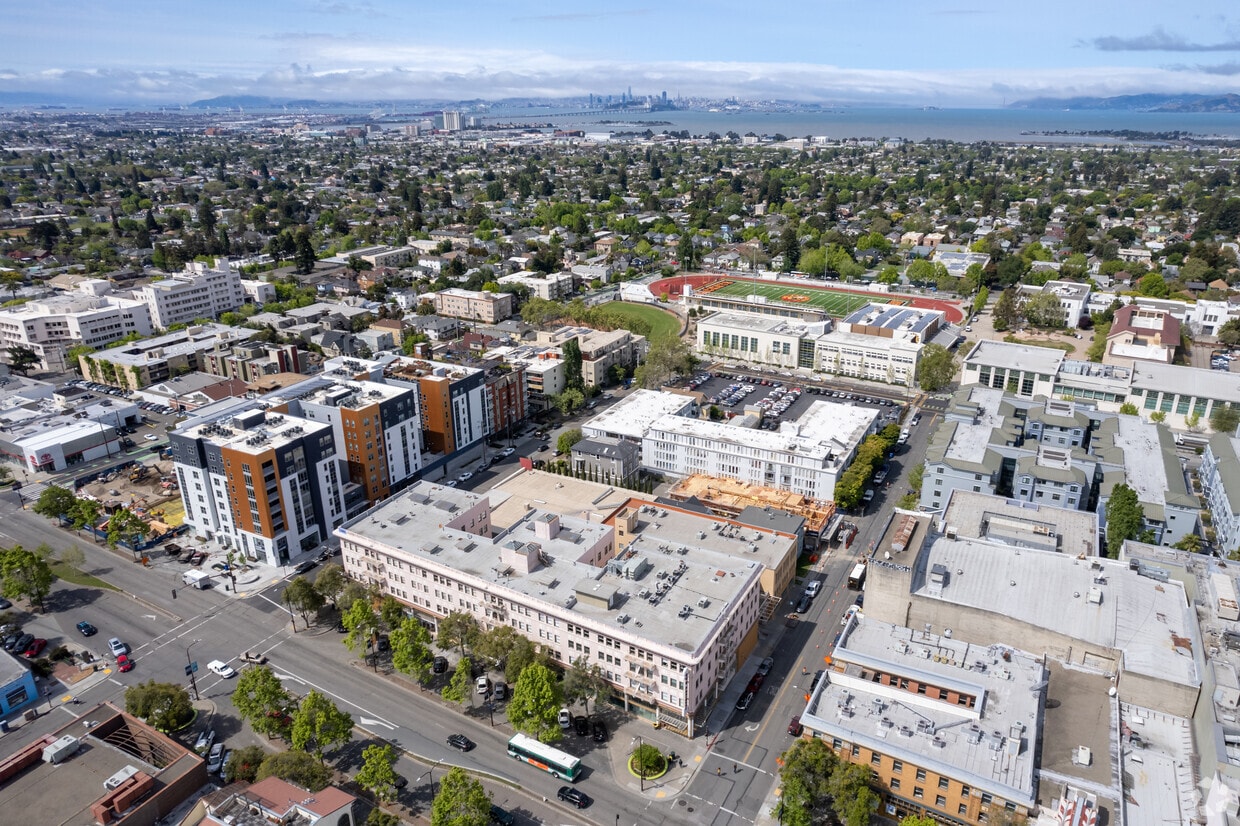
The OP has an interesting premise, and I think Socal is on to something. The lack of student housing and German philosophy roots has consequences. In my time at Cal it was somewhat sink or swim for students, and after a year at Bowles, there was a living as a greek and then living in an apartment outside as a frat out- member given the small size of the frat house. I don't think that was such a unique experience. Most students seemed to lives in rentals. My social circle didn't revolve around the school or school activities (more like pick-up basketball and beer) and my dating life was not governed by codes of conduct, and again it mostly didn't involve Cal. Mills was different than it is now.

But that certainly is not the way many US schools are now. Top colleges systematically protects its students from the very experiences embedded in daily life, not to mention offering massive grade inflation. Cal seems to be somewhat lagging in these areas versus its peer schools (e.g., there is some grade inflation, but it is not the A minus average that you see at Furd, the Ivies and other peer schools). Cal seems far less sink or swim than it was, and it is struggling at being the nanny school that governs every aspect of your life. No one is going around saying Cal hates fun, like at Furd.

In fact, at schools like Furd they are very much the English model. When you go a reunion there and attend your wife's class dinner, you sit by freshman dorm. Essentially every Furd undergrad lives on campus in dorms or Greek houses (the Greeks houses are on campus and have relatively small number of students). The social scene revolves around the school. It seems as the administration even debates how to change the dorm and dorm eating arrangements every year. And other schools are even worse. At Harvard, for example, it is like Hogwarts central with students even writing articles to the school newspaper and identifying themselves by their by their dorm (they also tend to do this on their resumes).

To get the OP's main point about engagement, schools like Furd and Harvard are the.picture of engagement. It is stunning to to go to a Cal reunion and see my class dinner is in a ball room with many other classes because my class took up one table. My wife's last Furd reunion had close to 90% attendance, and took up a whole country club dinning room. Her class raised more at her reunion than all classes at my Cal reunion. All this was okay in my time, because as a State school, Cal's education was almost entirely subsidized by California taxpayers. That isn't happing any more and Cal is trying to adapt.
HearstMining
How long do you want to ignore this user?
I received a BS from Cal in 1976 and an MBA from Michigan in 1980. From the day I left Michigan, I constantly received alumni mail from both the business school and the university at large. I moved numerous times, never notified them, but the mail always followed me. And I did donate starting right after graduation until eventually stopping 25 years later when they gave an award to Sam Zell (granted, he did give them $60mil). But the point is, they made that effort to maintain the relationship, and continue to do so.

Conversely, I received nothing from Cal until the mid 1990s. They are trying to make up for lost time, Berkeley Engineer is a particularly good quarterly publication, and I get numerous phone calls soliciting donations, as I'm sure many of you do, as well. And I do send an annual donation. Nonetheless, any affection I have is for friends I made and memories I had, not the university itself. If you treat people like a number when they're students, then ignore them for 15 years after they graduate, don't expect them to get all dewey-eyed when you come soliciting donations for dear old alma mater.
Big C
How long do you want to ignore this user?
wifeisafurd said:

socaltownie said:

I guess i was behind the times and didn't really understand that when Cal was founded the idea was to base the university on the model found at German universities - where the university was there to hold classes for the students but everything else (housing, meals, social life) was up to the students themselves. That is in contrast to the English model (think Oxbridge) where residential colleges where central to the experience.

Now in the late 1950s Kerr broke that but interestingly Cal remains the campus with the lowest ratio of housing to students. It likely created a lot of the dynamics in Berkeley politics. The articles I read also suggested that when Cal finally started to house a significant portion of students on campus it really broke the political power of the Greek system. It also has created the situation where much of the student housing isn't in the "core" of the campus but on university acquired land surrounding.

But I also wonder if it translated into some of the challenges in respect to alumni engagement and the kind of passionate following sports have at land grant schools that have a different model. Now of course the Kerr changes are 60 years old but Cal still has student housing challenges.
The OP has an interesting premise, and I think Socal is on to something. The lack of student housing and German philosophy roots has consequences. In my time at Cal it was somewhat sink or swim for students, and after a year at Bowles, there was a living as a greek and then living in an apartment outside as a frat out- member given the small size of the frat house. I don't think that was such a unique experience. Most students seemed to lives in rentals. My social circle didn't revolve around the school or school activities (more like pick-up basketball and beer) and my dating life was not governed by codes of conduct, and again it mostly didn't involve Cal. Mills was different than it is now.

But that certainly is not the way many US schools are now. Top colleges systematically protects its students from the very experiences embedded in daily life, not to mention offering massive grade inflation. Cal seems to be somewhat lagging in these areas versus its peer schools (e.g., there is some grade inflation, but it is not the A minus average that you see at Furd, the Ivies and other peer schools). Cal seems far less sink or swim than it was, and it is struggling at being the nanny school that governs every aspect of your life. No one is going around saying Cal hates fun, like at Furd.

In fact, at schools like Furd they are very much the English model. When you go a reunion there and attend your wife's class dinner, you sit by freshman dorm. Essentially every Furd undergrad lives on campus in dorms or Greek houses (the Greeks houses are on campus and have relatively small number of students). The social scene revolves around the school. It seems as the administration even debates how to change the dorm and dorm eating arrangements every year. And other schools are even worse. At Harvard, for example, it is like Hogwarts central with students even writing articles to the school newspaper and identifying themselves by their by their dorm (they also tend to do this on their resumes).

To get the OP's main point about engagement, schools like Furd and Harvard are the.picture of engagement. It is stunning to to go to a Cal reunion and see my class dinner is in a ball room with many other classes because my class took up one table. My wife's last Furd reunion had close to 90% attendance, and took up a whole country club dinning room. Her class raised more at her reunion than all classes at my Cal reunion. All this was okay in my time, because as a State school, Cal's education was almost entirely subsidized by California taxpayers. That isn't happing any more and Cal is trying to adapt.


Good observations and conclusions. My social life at Cal revolved around the student activity I was in. If it hadn't been for that, I guess I would've joined a frat, because I can't imagine college w/o a social connection.

I remember that video from senior students a couple of years ago in which they were lamenting their undergrad experience. They didn't seem connected to Cal at all. Seemed so sad...

I saw last week where that group of parents is trying to foster the "nanny school" concept by hiring private security to patrol the area. Also sad...
wifeisafurd
How long do you want to ignore this user?
HearstMining said:

I received a BS from Cal in 1976 and an MBA from Michigan in 1980. From the day I left Michigan, I constantly received alumni mail from both the business school and the university at large. I moved numerous times, never notified them, but the mail always followed me. And I did donate starting right after graduation until eventually stopping 25 years later when they gave an award to Sam Zell (granted, he did give them $60mil). But the point is, they made that effort to maintain the relationship, and continue to do so.

Conversely, I received nothing from Cal until the mid 1990s. They are trying to make up for lost time, Berkeley Engineer is a particularly good quarterly publication, and I get numerous phone calls soliciting donations, as I'm sure many of you do, as well. And I do send an annual donation. Nonetheless, any affection I have is for friends I made and memories I had, not the university itself. If you treat people like a number when they're students, then ignore them for 15 years after they graduate, don't expect them to get all dewey-eyed when you come soliciting donations for dear old alma mater.
Cal is playing catch-up. I don't think it was animosity of donor money, but more of mindset described in the OP and the desire to rely on State aid.
socaltownie
How long do you want to ignore this user?
wifeisafurd said:

HearstMining said:

I received a BS from Cal in 1976 and an MBA from Michigan in 1980. From the day I left Michigan, I constantly received alumni mail from both the business school and the university at large. I moved numerous times, never notified them, but the mail always followed me. And I did donate starting right after graduation until eventually stopping 25 years later when they gave an award to Sam Zell (granted, he did give them $60mil). But the point is, they made that effort to maintain the relationship, and continue to do so.

Conversely, I received nothing from Cal until the mid 1990s. They are trying to make up for lost time, Berkeley Engineer is a particularly good quarterly publication, and I get numerous phone calls soliciting donations, as I'm sure many of you do, as well. And I do send an annual donation. Nonetheless, any affection I have is for friends I made and memories I had, not the university itself. If you treat people like a number when they're students, then ignore them for 15 years after they graduate, don't expect them to get all dewey-eyed when you come soliciting donations for dear old alma mater.
Cal is playing catch-up. I don't think it was animosity of donor money, but more of mindset described in the OP and the desire to rely on State aid.
It is so deep rooted. I read this article in berkeleyside that said that for serveral decades the university and Berkeley slum (oh i mean land) lords had a legal agreement NOT to build on campus housing.
HearstMining
How long do you want to ignore this user?
wifeisafurd said:

HearstMining said:

I received a BS from Cal in 1976 and an MBA from Michigan in 1980. From the day I left Michigan, I constantly received alumni mail from both the business school and the university at large. I moved numerous times, never notified them, but the mail always followed me. And I did donate starting right after graduation until eventually stopping 25 years later when they gave an award to Sam Zell (granted, he did give them $60mil). But the point is, they made that effort to maintain the relationship, and continue to do so.

Conversely, I received nothing from Cal until the mid 1990s. They are trying to make up for lost time, Berkeley Engineer is a particularly good quarterly publication, and I get numerous phone calls soliciting donations, as I'm sure many of you do, as well. And I do send an annual donation. Nonetheless, any affection I have is for friends I made and memories I had, not the university itself. If you treat people like a number when they're students, then ignore them for 15 years after they graduate, don't expect them to get all dewey-eyed when you come soliciting donations for dear old alma mater.
Cal is playing catch-up. I don't think it was animosity of donor money, but more of mindset described in the OP and the desire to rely on State aid.
Oh yeah, I didn't mean to imply there was any animosity - as you say, the State of California was pouring money their way so they didn't need to cultivate the alumni.
HearstMining
How long do you want to ignore this user?
Larno said:

I was very surprised when I found out a few years ago that the first dorms at Cal were not built until around 1960 or so. I always thought of UCLA as a commuter school, and it is, but Cal apparently is even more so. On the other hand, there was no tuition up until the mid-60's so that was not added to the cost of living around campus. A good way to sound like an old geezer Blue is to relate paying your way through Cal with summer employment, which I did in 1971 - 1973 (after two years of junior college). Not as good a story as paying no tuition at all, as was the case with some of my relatives, but still unimaginable today.
Wait, Bowles Hall is much older than 1960 and I assume it was always a dorm. And per Wikipedia, Stern Hall was built in 1942 - maybe that's why it looks rather like a barracks. But your overall point is still valid, there wasn't nearly enough campus housing. In fact, when I was a little kid, we owned a house down on Bonita Ave and it had an old carriage house in back part of which had been converted into a studio apartment which we rented out. I know my mom always tried for grad student tenants, figuring they'd be better behaved. I don't recall anybody who was there more than a year and, though I'm almost 70 years-old, I still recall all of their names.

Here's the scoop on Stern. I only walked into the lobby once.
https://en.wikipedia.org/wiki/Stern_Hall_(Berkeley)
wifeisafurd
How long do you want to ignore this user?
HearstMining said:

wifeisafurd said:

HearstMining said:

I received a BS from Cal in 1976 and an MBA from Michigan in 1980. From the day I left Michigan, I constantly received alumni mail from both the business school and the university at large. I moved numerous times, never notified them, but the mail always followed me. And I did donate starting right after graduation until eventually stopping 25 years later when they gave an award to Sam Zell (granted, he did give them $60mil). But the point is, they made that effort to maintain the relationship, and continue to do so.

Conversely, I received nothing from Cal until the mid 1990s. They are trying to make up for lost time, Berkeley Engineer is a particularly good quarterly publication, and I get numerous phone calls soliciting donations, as I'm sure many of you do, as well. And I do send an annual donation. Nonetheless, any affection I have is for friends I made and memories I had, not the university itself. If you treat people like a number when they're students, then ignore them for 15 years after they graduate, don't expect them to get all dewey-eyed when you come soliciting donations for dear old alma mater.
Cal is playing catch-up. I don't think it was animosity of donor money, but more of mindset described in the OP and the desire to rely on State aid.
Oh yeah, I didn't mean to imply there was any animosity - as you say, the State of California was pouring money their way so they didn't need to cultivate the alumni.

And I didn't mean to infer you did - my bad if it sounds that way. Just trying to say there was nothing sinister, the past administrations always just assumed the State funding would continue.
calumnus
How long do you want to ignore this user?
HearstMining said:

Larno said:

I was very surprised when I found out a few years ago that the first dorms at Cal were not built until around 1960 or so. I always thought of UCLA as a commuter school, and it is, but Cal apparently is even more so. On the other hand, there was no tuition up until the mid-60's so that was not added to the cost of living around campus. A good way to sound like an old geezer Blue is to relate paying your way through Cal with summer employment, which I did in 1971 - 1973 (after two years of junior college). Not as good a story as paying no tuition at all, as was the case with some of my relatives, but still unimaginable today.
Wait, Bowles Hall is much older than 1960 and I assume it was always a dorm. And per Wikipedia, Stern Hall was built in 1942 - maybe that's why it looks rather like a barracks. But your overall point is still valid, there wasn't nearly enough campus housing. In fact, when I was a little kid, we owned a house down on Bonita Ave and it had an old carriage house in back part of which had been converted into a studio apartment which we rented out. I know my mom always tried for grad student tenants, figuring they'd be better behaved. I don't recall anybody who was there more than a year and, though I'm almost 70 years-old, I still recall all of their names.

Here's the scoop on Stern. I only walked into the lobby once.
https://en.wikipedia.org/wiki/Stern_Hall_(Berkeley)


With dorms, International House, the Greek system, the CoOp system and lots of cheap apartments in the area (and little parking) for many decades Cal had more students within walking distance of campus than most of the UCs, FAR more than UCLA.

According to a 2014 study 37% of Cal students were living in some form of student housing (dorms, frat or co-op) and 77% walked to campus. 7% rode bikes, skateboards, wheelchairs, rollerblades, etc. 6% took the bus, 5% rode BART and 5% drove.

In line with the above, 68% of Cal students live less than 1 mile from campus and 88% live within 2 miles of campus.

UCLA has done a great job building student housing but they are coming from far behind. Private developers are building lots of student oriented housing along Shattuck. However, with the increased rents in Berkeley, Cal needs to do more.
gardenstatebear
How long do you want to ignore this user?
When the dorms were built in the 1960s, Cal had 27,000 students. It now has 50% more. I can't see how the town can take that.
calumnus
How long do you want to ignore this user?
gardenstatebear said:

When the dorms were built in the 1960s, Cal had 27,000 students. It now has 50% more. I can't see how the town can take that.


Added Clark Kerr, added towers to the existing dorms, new dorm (Hillside?) and then private developers are building lots and lots of high rise apartment buildings on Shattuck


mbBear
How long do you want to ignore this user?
calumnus said:

HearstMining said:

calumnus said:

DoubtfulBear said:

calumnus said:

1. Rise of the NFL in Bay Area. Name another school that competed with two NFL franchises for fans, or another two NFL franchises in the same area that won more Super Bowls?
UW and Seahawks have had overlapping successful periods w/o either team needing to sacrifice fans in the process


The Seahawks were an expansion franchise in 1976. Their biggest success came this century. First winning the NFC West in 2004, first making the Super Bowl in 2005. Then winning it in 2013, then losing it in 2014.

Here are UW's records during that time:
2003 6-6
2004 1-10
2005 2-9
2006 5-7
2007 4-9
2008 0-12
2009 5-7
2010 7-6
2011 7-6
2012 7-6
2013 9-4

So UW was horrible, then middling with one good year the same season the Seahawks last went to the Super Bowl.

UWs worst era corresponds almost precisely with the Seahawks' best. (And Cal's best under Tedford, Pete Carroll at USC, before…). UW's recent upturn corresponds with the Seahawks' downturn.

And again, Cal has until recently competed with TWO NFL franchises for fans, not one, and overall both have been better than the Seahawks for a much longer period.
Doubtfulbear may be recalling the 1983-1989 timeframe when the Seahawks under Chuck Knox had a pretty good run including a division championship and the Huskies, if I recall correctly, won a share of the National Championship in 1984 with several strong seasons preceding and following that period. The crowds for both were very strong (I watched Cal get their @ss kicked in 1984 - the coldest most miserable game I ever went to) and the sports section of the Seattle Times and the PI covered both exhaustively. Yes, this was a long time ago, but UW did and has continued to hold their own against the NFL machine.


After losing seasons every year since their founding, the Seahawks had a nice run from 1983 to 1988, making the playoffs 4 of those 6 years before going back to losing and going another ten years of not making the playoffs. Interestingly enough, those were Don James' worst years, before or after. 1988 was the only year Don James ever had a losing record in the PAC-10, going 3-5 in conference thanks to narrow wins over Cal, Stanford and ASU.

Seahawks got good as the Huskies got bad and vice versa. Not saying it is causal, but the correlation is crazy.

And again, name another college team that had to compete for 6 decades with two NFL teams so nearby?

Super Bowl wins by metro and Schools

1. SF Bay Area* 7 Cal plus Stanford and San Jose State
2. Boston 6 Boston College
3. Pittsburg 6 Pitt
4. Dallas 5 SMU, North Texas
5. New York* 5 Rutgers
6. Green Bay 4 None
7. Kansa City 4 None
8. Washington DC 3 Maryland*
9. Denver 3, Colorado
10. Baltimore 3, Maryland*
11. Miami 2 Miami, South Florida
12. Los Angeles* 2, USC and UCLA
13. Tampa Bay 2, None
14. New Orleans 1, Tulane
15. Seattle 1, Washington
16. Chicago 1, Northwestern
17. Indianapolis 1, Indiana
18. Philadelphia 1, none

*Two NFL teams

Cal by far has had the most NFL competition (two long established successful teams) followed by maybe Stanford, SJSU, Rutgers and Maryland.
Temple University is D-1 football, and in Philadelphia proper. And in fact, they play at the Linc, similar situation as Pitt and the Steelers...
Indiana University is not that close to Indianapolis.
cal83dls79
How long do you want to ignore this user?
calumnus said:

HearstMining said:

Rise of the NFL = really, just the 49ers. I lived in Seattle from 1983 - 1992 and upon returning was amazed at how much the 49ers had come to dominate the media. Even today in the SacBee (my local paper, rapidly declining in size like all the others), there's more coverage of the 49er offseason player contract issues than the NBA Kings, who are a pretty good team for the second year in a row.


Cal went to the Rose Bowl in 1959. Oakland Raiders were founded in1960, eventually becoming "the winningest franchise in pro sports" going to the Super Bowl in 1968, winning in 1977 and again in 1981. They had a huge, loyal fan base in the East Bay, even after winning another Suoer Bowl in LA in 1984 before returning to Oakland.

Niners took over in the 1980s. I won't detail what they have been.

The two franchises together have sucked up all the oxygen in San Francisco and the East Bay. Definitely one of the major factors affecting Cal football.


wrong. Did you actually live here? I did I somehow managed to go to cal games on Saturday and enjoy Sunday football. Nice try though. But apparently "theory" was always our strength. Dude, my dad bought season tix for nothing in the Muncie and Bartkowski days. He parked in Claremont to avoid fees. Pioint being nobody in the Bay Area has any affiliation or interest in Cal. Most are anti education and resent cal or have zero idea what cal is.even DLS guys went to fucla . Their record recruiting local talent was horrible..not just in football .
calumnus
How long do you want to ignore this user?
cal83dls79 said:

calumnus said:

HearstMining said:

Rise of the NFL = really, just the 49ers. I lived in Seattle from 1983 - 1992 and upon returning was amazed at how much the 49ers had come to dominate the media. Even today in the SacBee (my local paper, rapidly declining in size like all the others), there's more coverage of the 49er offseason player contract issues than the NBA Kings, who are a pretty good team for the second year in a row.


Cal went to the Rose Bowl in 1959. Oakland Raiders were founded in1960, eventually becoming "the winningest franchise in pro sports" going to the Super Bowl in 1968, winning in 1977 and again in 1981. They had a huge, loyal fan base in the East Bay, even after winning another Suoer Bowl in LA in 1984 before returning to Oakland.

Niners took over in the 1980s. I won't detail what they have been.

The two franchises together have sucked up all the oxygen in San Francisco and the East Bay. Definitely one of the major factors affecting Cal football.


wrong. Did you actually live here? I did I somehow managed to go to cal games on Saturday and enjoy Sunday football. Nice try though. But apparently "theory" was always our strength. Dude, my dad bought season tix for nothing in the Muncie and Bartkowski days. He parked in Claremont to avoid fees. Pioint being nobody in the Bay Area has any affiliation or interest in Cal. Most are anti education and resent cal or have zero idea what cal is.even DLS guys went to fucla . Their record recruiting local talent was horrible..not just in football .


Was your dad a Cal alum? Or did he just follow Cal in spite of all the other things you point out, which is my point?

Cal's "suckiness" has been due to many things. I just think "lack of university owned student housing" (the OP's hypothesis) is very low on the list. The student section has not been the problem. It has always been Cal's strength. It is filling the rest of the stadium of the stadium that is the problem.

There are a few people that will go to a football game on a Saturday and then again on a Sunday, like your dad. For many others, they will choose one.

Moreover, if they are not alums of the college they will choose the pro team as the "local team" and the college team will mostly be supported by alums. Non-affiliated fans will come to see the college team as only being for alums, as you point out. If it is academically rigorous and difficult to get into, even more so. It becomes self-perpetuating.

I agree Cal needs to do a MUCH better job marketing locally, recruiting locally, generating local interest. The Raiders in Vegas and Niners in Santa Clara is an <opportunity> to do a better job. It does not guarantee anything. Cal's suckiness is due to many factors. Bad ADs that hire and retain bad coaches is my number 1. However, the budget they have to work with is largely driven by revenues, which is partly driven by their own bad choices, but also driven by ability to grow the fan base beyond the alumni base. It is not driven by the size of the student section.
calumnus
How long do you want to ignore this user?
mbBear said:

calumnus said:

HearstMining said:

calumnus said:

DoubtfulBear said:

calumnus said:

1. Rise of the NFL in Bay Area. Name another school that competed with two NFL franchises for fans, or another two NFL franchises in the same area that won more Super Bowls?
UW and Seahawks have had overlapping successful periods w/o either team needing to sacrifice fans in the process


The Seahawks were an expansion franchise in 1976. Their biggest success came this century. First winning the NFC West in 2004, first making the Super Bowl in 2005. Then winning it in 2013, then losing it in 2014.

Here are UW's records during that time:
2003 6-6
2004 1-10
2005 2-9
2006 5-7
2007 4-9
2008 0-12
2009 5-7
2010 7-6
2011 7-6
2012 7-6
2013 9-4

So UW was horrible, then middling with one good year the same season the Seahawks last went to the Super Bowl.

UWs worst era corresponds almost precisely with the Seahawks' best. (And Cal's best under Tedford, Pete Carroll at USC, before…). UW's recent upturn corresponds with the Seahawks' downturn.

And again, Cal has until recently competed with TWO NFL franchises for fans, not one, and overall both have been better than the Seahawks for a much longer period.
Doubtfulbear may be recalling the 1983-1989 timeframe when the Seahawks under Chuck Knox had a pretty good run including a division championship and the Huskies, if I recall correctly, won a share of the National Championship in 1984 with several strong seasons preceding and following that period. The crowds for both were very strong (I watched Cal get their @ss kicked in 1984 - the coldest most miserable game I ever went to) and the sports section of the Seattle Times and the PI covered both exhaustively. Yes, this was a long time ago, but UW did and has continued to hold their own against the NFL machine.


After losing seasons every year since their founding, the Seahawks had a nice run from 1983 to 1988, making the playoffs 4 of those 6 years before going back to losing and going another ten years of not making the playoffs. Interestingly enough, those were Don James' worst years, before or after. 1988 was the only year Don James ever had a losing record in the PAC-10, going 3-5 in conference thanks to narrow wins over Cal, Stanford and ASU.

Seahawks got good as the Huskies got bad and vice versa. Not saying it is causal, but the correlation is crazy.

And again, name another college team that had to compete for 6 decades with two NFL teams so nearby?

Super Bowl wins by metro and Schools

1. SF Bay Area* 7 Cal plus Stanford and San Jose State
2. Boston 6 Boston College
3. Pittsburg 6 Pitt
4. Dallas 5 SMU, North Texas
5. New York* 5 Rutgers
6. Green Bay 4 None
7. Kansa City 4 None
8. Washington DC 3 Maryland*
9. Denver 3, Colorado
10. Baltimore 3, Maryland*
11. Miami 2 Miami, South Florida
12. Los Angeles* 2, USC and UCLA
13. Tampa Bay 2, None
14. New Orleans 1, Tulane
15. Seattle 1, Washington
16. Chicago 1, Northwestern
17. Indianapolis 1, Indiana
18. Philadelphia 1, none

*Two NFL teams

Cal by far has had the most NFL competition (two long established successful teams) followed by maybe Stanford, SJSU, Rutgers and Maryland.
Temple University is D-1 football, and in Philadelphia proper. And in fact, they play at the Linc, similar situation as Pitt and the Steelers...
Indiana University is not that close to Indianapolis.


Forgot Temple still played football. A lot of schools in urban areas competing with pro teams dropped the sport because they lost money. My list was not meant to be authoritative. Indianapolis has not had a pro team for long anyway.

The point is it is rare to find a college power that has directly competed with a successful pro team long term, much less two successful pro teams. The above list is a list of generally sucky college football teams.

Now Cal has had other self-inflicted reasons for suckiness, but I think the European model for our school and lack of on/campus housing is very low on the list. Our student section has always been our strength, especially when we are exciting to watch. It is the rest of the stadium that tends to be empty.

And while the primary problem is bad ADs hiring bad coaches and extending them while generally not retaining the good coaches, the lack of a big budget and pressure to win generated by a large fan base plays a role in that.

I do see the Raiders in Vegas and Niners in Santa Clara plus a fresh start in the ACC, as an opportunity to better market the team and grow the fan base, but it starts with winning and recruiting local stars.

Jeff82
How long do you want to ignore this user?
Before the 49ers, and before the NFL became such a marketing juggernaut, the Bay Area was a college football hotbed. Not just Cal and Stanford. USF had an undefeated team, and sent Ollie Matson to the 49ers. Dan Pastorini QB'd Santa Clara, then had a long NFL career.
Page 1 of 2
 
×
subscribe Verify your student status
See Subscription Benefits
Trial only available to users who have never subscribed or participated in a previous trial.